1. Introduction
Department stores serve as large retail spaces that offer a wide range of products from clothing to electronics under one roof. They attract millions of shoppers each year by combining convenience with variety. In 2026, these establishments continue to play a key role in the retail landscape despite online competition. Shoppers value the tactile experience of trying items before purchase. Businesses rely on them for steady foot traffic and sales volume. This article explores their operations, benefits, and future prospects in detail.
People visit department stores for unique experiences that digital platforms cannot match. Families enjoy events and demonstrations that build community ties. Retailers use these venues to showcase trends and launch products. Economic data shows they contribute billions to local economies. Leaders in the sector adapt quickly to consumer shifts. Their enduring appeal stems from blending tradition with innovation.
Executives plan expansions based on foot traffic patterns. Customers seek personalized service from knowledgeable staff. Technology integrations like mobile apps enhance visits. Sustainability efforts draw eco-conscious buyers. Partnerships with brands create exclusive offerings. Overall, department stores remain vital hubs for commerce and social interaction.
2. Foundation & Overview
2.1 Historical Development
Department stores first emerged in the 19th century in major cities like Paris and London. Entrepreneurs opened grand emporiums to cater to growing middle classes. They introduced fixed prices and returns policies that revolutionized shopping. Innovators like Aristide Boucicaut founded Le Bon Marché in 1852, setting global standards. These pioneers centralized buying power for better deals. By the early 20th century, chains spread across Europe and America. Today, that legacy influences modern retail strategies.
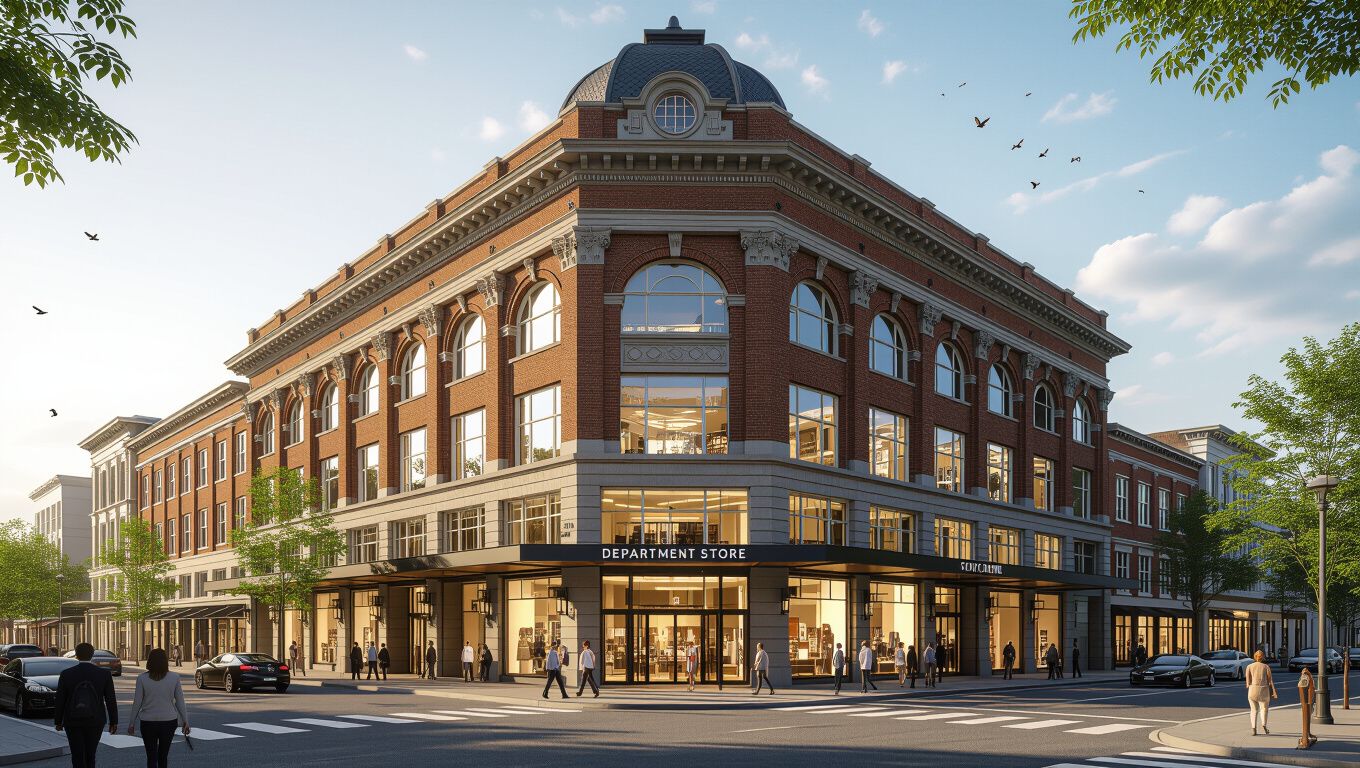
American icons such as Macy’s and Marshall Field’s built empires through bold marketing. They hosted lavish events and parades to draw crowds. Architects designed multi-level buildings with atriums for dramatic appeal. Railroads enabled efficient supply lines from factories. Consumers flocked to see novelties from around the world. This era established department stores as cultural landmarks. Their growth mirrored urbanization and rising incomes.
Post-World War II booms fueled suburban expansions. Automobiles made out-of-town locations viable. Developers integrated them into malls for synergy. Sales soared with postwar prosperity. Television ads amplified their reach. Core principles of variety and service persisted through decades. Historians credit them with shaping consumer habits.
2.2 Current Landscape in 2026
Department stores now operate in a hybrid model blending physical and digital sales. Chains like Nordstrom and Selfridges invest heavily in omnichannel experiences. Augmented reality mirrors let customers virtually try clothes. Data analytics predict inventory needs with precision. Global supply chains ensure fresh stock year-round. Foot traffic rebounds post-pandemic with hybrid work patterns. Revenue streams diversify into services like personal styling.
Sustainability drives renovations with green materials and energy-efficient systems. Partnerships with local artisans boost unique inventories. Mobile checkouts speed up transactions. Loyalty programs reward frequent visits with points. Executives track metrics via AI dashboards. International expansions target emerging markets in Asia. These adaptations keep them competitive.
Store footprints shrink in urban areas for pop-up efficiency. Mega-stores anchor regional malls. E-commerce integration allows seamless buy-online-pickup-in-store options. Staff training emphasizes customer engagement. Annual sales events generate buzz. Industry reports forecast steady growth through 2030. Visionary leaders position them for long-term success.
3. Key Benefits & Advantages
3.1 Customer Advantages
Shoppers enjoy one-stop shopping for diverse needs from fashion to home goods. They touch and test products before buying, reducing regret. Expert staff provide advice tailored to preferences. In-store events like fashion shows entertain and inform. Return policies offer peace of mind. Ample parking and public transit access ease visits. These factors build loyalty over time.
Exclusive in-store deals beat online prices often. Personal shoppers save time for busy professionals. Kids zones keep families happy during outings. Seasonal displays inspire gift ideas. Integration with apps enables quick price checks. Sensory experiences like fragrance counters engage senses fully. Customers report higher satisfaction rates in surveys.
Community programs foster local ties through charity drives. VIP sections offer premium perks. Multilingual staff serve diverse populations. Flexible hours accommodate varied schedules. These touches create memorable visits. Repeat business follows naturally from positive encounters. Shoppers prioritize them for special occasions.
3.2 Business Advantages
Retailers achieve economies of scale by buying in bulk. Multiple departments spread risk across categories. High foot traffic boosts impulse buys. Anchor positions in malls draw other tenants. Data from in-store sensors refines layouts. Cross-promotions with brands increase margins. Steady cash flow supports expansions.
Brand partnerships yield exclusive lines that command premiums. Loyalty data informs targeted marketing. Events generate media coverage for free. Real estate values rise with store presence. Suppliers compete for shelf space. Diverse revenue from rentals and services adds stability. Profits fund tech upgrades.
Employment creates community goodwill. Training programs develop skilled workforces. Analytics optimize staffing levels. Sustainability certifications attract investors. Global networks secure supply reliability. Executives leverage these strengths for market dominance. Long-term leases lock in prime locations.
4. Detailed Analysis & Mechanisms
4.1 Operational Workings
Stores open daily with teams restocking shelves before dawn. Visual merchandisers arrange displays to guide traffic flow. Point-of-sale systems process thousands of transactions hourly. Inventory software tracks stock in real time. Maintenance crews ensure escalators and lights function smoothly. Security monitors prevent losses effectively. Managers review daily reports to adjust strategies.
Customer service desks handle inquiries and complaints promptly. Fitting rooms feature smart mirrors for outfit sharing. Cafes provide rest areas with quality food. Delivery teams fulfill curbside orders swiftly. Partnerships with couriers extend reach. Peak hours see extra staff on floors. Efficiency metrics guide continuous improvements.
Seasonal hires swell ranks during holidays. Training simulations prepare them for rushes. Loss prevention uses AI cameras discreetly. Cleaners maintain pristine environments around the clock. These mechanisms ensure smooth operations year-round. Customers notice the seamless execution.
4.2 Supply and Revenue Streams
Buyers negotiate with vendors for optimal terms. Warehouses store goods near urban centers. Just-in-time delivery minimizes holding costs. Private labels generate higher margins. Concession rentals from brands add income. Online fulfillment centers support hybrid sales. Diversified sourcing hedges against disruptions.
Dynamic pricing adjusts for demand fluctuations. Loyalty discounts encourage volume purchases. Gift card sales provide upfront cash. Advertising space sells to partners. Event hosting fees contribute steadily. Analytics forecast trends for proactive buying. These streams build resilient finances.
Export sales tap international demand. Sustainability audits verify ethical sourcing. Blockchain tracks product origins transparently. Returns processing recycles goods efficiently. Data sales to partners create extras. Executives balance these for profitability. Growth follows smart revenue management.
5. Comparison & Case Studies
Department stores differ from specialty shops by offering broader selections, while online retailers excel in convenience but lack hands-on appeal. Malls house multiple stores for variety, yet department stores anchor them with flagship departments. In 2026, hybrids outperform pure models through seamless integrations. Case studies highlight successes like Macy’s revamp, which boosted sales 15% via experiential zones. Harrods in London thrives on luxury events drawing tourists.
Compare to big-box like Walmart: department stores focus on mid-to-high fashion, while big-box prioritizes basics. Nordstrom’s customer service edge yields higher retention. Selfridges partners with artists for immersive installs. Failures like Sears teach adaptation lessons. Successful chains embrace tech without abandoning core strengths. Data shows department stores retain 20% more loyalists than discounters.
International cases vary: Japan’s Isetan excels in omotenashi hospitality. China’s mix of department stores and malls dominates urban retail. U.S. players like Kohl’s integrate grocery for daily traffic. European chains emphasize sustainability. These examples prove adaptability wins. Investors watch them closely for trends.
Post-2020 shifts accelerated changes. Stores with strong digital ties fared best. Pure online faces saturation, giving physical venues revival chances. Blends create competitive moats. Lessons from cases guide future strategies. Observers predict continued evolution.
6. Comparison Table
| Aspect | Department Stores | Online Retail | Malls |
|---|---|---|---|
| Product Variety | High across categories | Unlimited virtually | Multi-tenant mix |
| Customer Experience | Tactile and immersive | Convenient but impersonal | Social and eventful |
| Cost Structure | High overheads | Low physical costs | Shared among stores |
| Foot Traffic | Targeted draws | Digital only | Massive volumes |
| Return Rates | Low due to trials | High logistics burden | Varied by store |
| 2026 Growth Projection | 5-7% annually | 10% but slowing | 3-5% recovery |
The table highlights key differences in retail models. Department stores shine in experiential aspects, offsetting higher costs with loyalty. Online leads in speed but struggles with returns. Malls benefit from synergy yet face anchor dependencies. Data from 2026 reports supports these trends. Businesses use such comparisons for strategic planning.
Trends show department stores gaining on sustainability scores. Online platforms invest in VR to mimic physical trials. Malls renovate for experiential hubs. Hybrids emerge as frontrunners. Investors favor balanced portfolios. This overview aids decision-making.
7. Implementation & Best Practices
7.1 Store Design Strategies
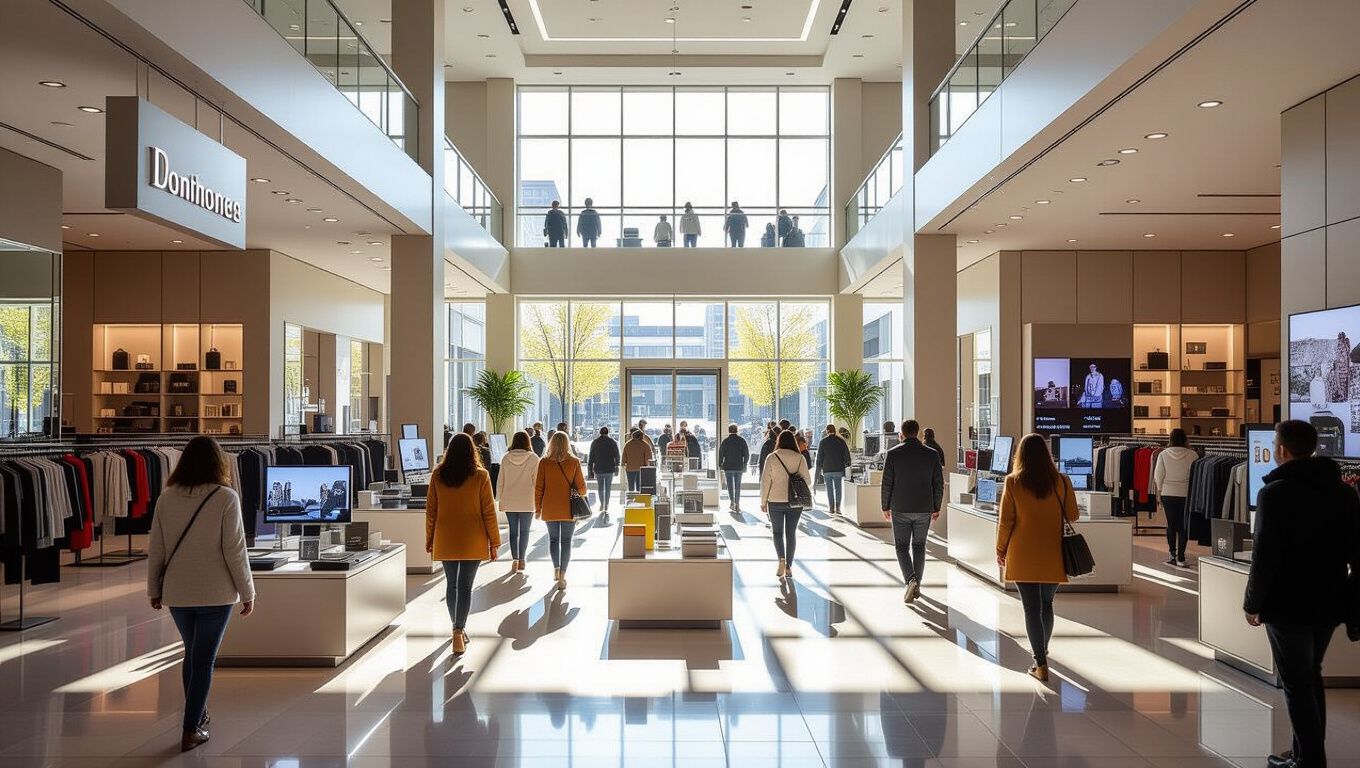
Designers create open layouts to encourage exploration. Natural light floods spaces through skylights. Thematic zones guide shoppers intuitively. Interactive kiosks provide product info instantly. Seating areas invite longer stays. Signage uses clear icons for easy navigation. These elements boost dwell time and sales.
Sustainable materials like recycled wood appeal to green consumers. Flexible fixtures allow quick reconfigurations. Tech walls display digital catalogs. Fragrance and music enhance moods subtly. Accessibility ramps serve all visitors. Testing via heat maps refines designs. Results show 20% uplift in conversions.
Pop-up spaces host rotating brands. Art installations draw Instagram crowds. Greenery walls purify air. Lighting adjusts for day-night vibes. Budgets allocate for annual refreshes. Teams collaborate with architects early. Success follows user-centered approaches.
7.2 Marketing and Engagement Tactics
Campaigns use social media for teaser events. Influencer partnerships amplify reach organically. Email blasts personalize offers based on history. In-store Wi-Fi captures data ethically. Loyalty apps send push notifications. Collaborations with celebrities create buzz. Metrics track ROI precisely.
Seasonal themes tie into holidays creatively. User-generated content contests engage communities. VR tours preview stores online. Partnerships with delivery apps expand access. Feedback loops improve tactics continuously. Budgets shift to digital for efficiency. Engagement rates climb steadily.
CSR initiatives build brand love. Live streams from events extend audiences. Referral programs reward shares. Analytics segment audiences finely. Training equips staff for upselling. These practices drive traffic and retention.
8. Challenges & Solutions
E-commerce giants erode market share with fast delivery. Department stores counter with exclusive in-person perks. Rising rents pressure margins in prime spots. Relocations to mixed-use developments cut costs. Supply chain disruptions delay stock. Diversified sourcing and local partnerships mitigate risks. Staff shortages hit service quality. Automation and training programs fill gaps.
Shifting demographics favor experiences over goods. Stores pivot to entertainment venues. Sustainability demands strain budgets. Certifications and efficient systems comply cost-effectively. Data privacy laws tighten. Compliant tech stacks protect users. Competition from discounters undercuts prices. Value-added services differentiate offerings.
Post-pandemic hygiene fears linger. Enhanced cleaning and contactless options reassure. Economic downturns slow spending. Flexible financing aids customers. Tech lags in some chains. Upgrades via cloud solutions modernize fast. Leadership focuses on agility. Solutions turn threats into opportunities.
Urban sprawl changes traffic patterns. Shuttles and transit ties help. Generational gaps challenge appeals. Multi-gen programming bridges divides. Measurement tools evolve. KPIs adapt to new realities. Resilience defines winners.
9. Conclusion & Call-to-Action
Department stores endure as retail pillars through innovation and customer focus. They blend history with 2026 tech for vibrant futures. Benefits outweigh challenges for adaptable players. Analyses reveal strong mechanisms under solid foundations. Comparisons affirm their unique position. Best practices guide implementations successfully.
Businesses thrive by embracing changes proactively. Shoppers gain from enriched experiences. Economies benefit from their contributions. Forward-thinking leaders invest now. The sector promises growth amid shifts. Stakeholders position for gains.
Explore your local department store today for hands-on shopping joy. Business owners, assess partnerships via NRF resources. Investors, review stocks like Macy’s for opportunities. Start planning your next visit or strategy now. Act to capture the thriving potential.