
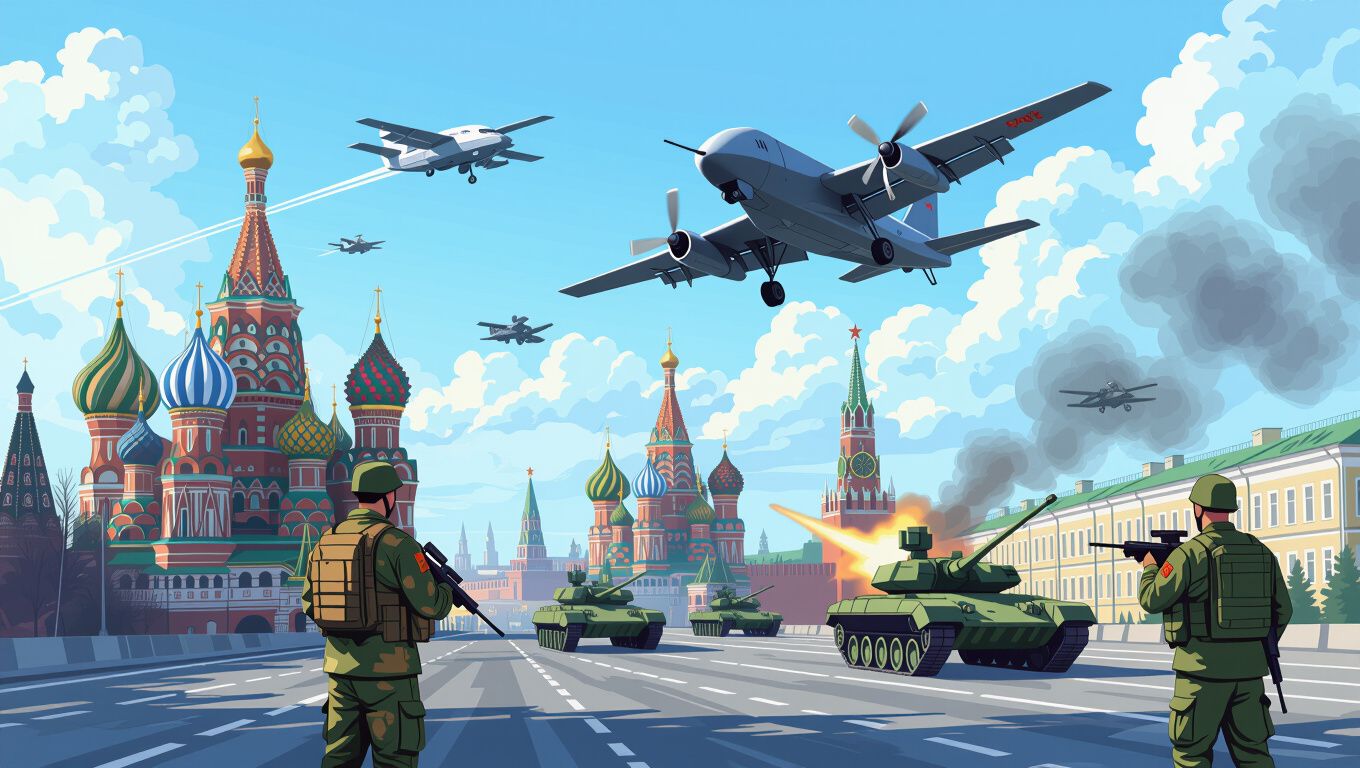
In the realm of modern conflicts, the Russia vs Ukraine drone war has emerged as a pivotal chapter in technological warfare, reshaping how nations engage in battle. This ongoing struggle, which intensified in the early 2020s, highlights the critical role of unmanned aerial vehicles (UAVs) in military strategy. By 2026, drones have become indispensable tools, offering reconnaissance, precision strikes, and psychological advantages. This article explores the intricacies of this drone-centric conflict, examining its origins, technological aspects, and broader implications, all while maintaining a focus on its evolution within the technology sector.
1. Introduction
- The Evolution of Drone Warfare in the Conflict
- Key Drone Technologies Employed
- Strategies and Tactics in Drone Operations
- Impact on Global Technology and Warfare
- Ethical and Legal Considerations
- Future Outlook for 2026 and Beyond
2. Foundation & Overview
The Russia vs Ukraine drone war did not emerge overnight but built upon years of technological advancements and geopolitical tensions. Initially, drones were used sparingly in conflicts, but by the mid-2010s, they had proven their worth in operations like those in the Middle East. In the context of Ukraine, the use of drones escalated following the 2022 invasion, with both sides rapidly integrating UAVs into their arsenals. Ukraine, supported by Western allies, deployed consumer-grade drones modified for military use, while Russia relied on more sophisticated systems developed through its defense industry.
By 2026, this evolution has seen drones transition from supplementary tools to central elements of warfare. Early in the conflict, simple quadcopters were employed for surveillance, but advancements have led to the deployment of swarms of autonomous drones capable of coordinated attacks. Historical milestones include Ukraine’s successful use of Turkish Bayraktar TB2 drones in 2022, which demonstrated the effectiveness of loitering munitions. On the Russian side, the introduction of Orlan-10 and other reconnaissance drones allowed for real-time intelligence gathering, marking a shift toward asymmetric warfare where technology compensates for numerical disadvantages.
This progression underscores how drone technology has democratized access to aerial capabilities. Nations like Ukraine, with limited air forces, have leveraged affordable drone platforms to counter Russia’s superior conventional forces. As of 2026, the conflict has also spurred international collaborations, with NATO countries providing advanced drone components, further fueling the arms race in unmanned systems.
3. Key Benefits & Advantages
At the heart of the Russia vs Ukraine drone war are the cutting-edge technologies that enable these devices to perform complex tasks. Drones in this conflict utilize a mix of artificial intelligence (AI), advanced sensors, and communication systems, making them versatile assets in modern battlefields. For instance, AI-driven autonomy allows drones to identify and engage targets with minimal human intervention, reducing risks to pilots and enhancing operational efficiency.
One prominent technology is the integration of high-resolution electro-optical and infrared sensors, which provide real-time imagery even in low-visibility conditions. Ukraine has employed drones equipped with these sensors to monitor Russian troop movements along the front lines, while Russia has countered with electronic warfare systems that jam drone signals. By 2026, developments in counter-drone technologies, such as directed energy weapons and cyber defenses, have become crucial, as both sides seek to neutralize enemy UAVs.
Additionally, the use of loitering munitions—drones designed to loiter over a target area before striking—has been a game-changer. These systems, like the Switchblade drones supplied to Ukraine, combine the persistence of surveillance drones with the lethality of missiles. On the Russian side, drones such as the Lancet have similar capabilities, enabling precise strikes on Ukrainian infrastructure. The technological arms race has also extended to battery life and propulsion systems, with advancements in electric motors allowing for longer flight durations and greater payloads.
Fuel cell technology and hybrid engines have further enhanced drone endurance, enabling missions lasting several hours. This has implications for broader technology sectors, as innovations from the conflict spill over into civilian applications, such as agriculture and disaster response. Overall, the drone technologies in this war represent a leap forward in automation, with machine learning algorithms adapting to dynamic battlefield conditions in real time.
4. Detailed Analysis & Mechanisms
Strategies in the Russia vs Ukraine drone war have evolved to maximize the strengths of UAVs while mitigating their vulnerabilities. Ukraine has adopted a decentralized approach, using swarms of small, inexpensive drones for overwhelming attacks, which overwhelms Russian defenses. This tactic, known as “drone saturation,” involves launching multiple units simultaneously to saturate enemy radar and anti-air systems, making it difficult to intercept all threats.
Russia, conversely, has focused on integrated drone operations combined with artillery and missile strikes, creating a layered defense and offense. By 2026, both sides employ drone networks for intelligence, surveillance, and reconnaissance (ISR), feeding data directly to command centers for rapid decision-making. Tactical innovations include the use of kamikaze drones, which dive into targets upon command, and decoy drones that distract enemy forces while real attacks are prepared.
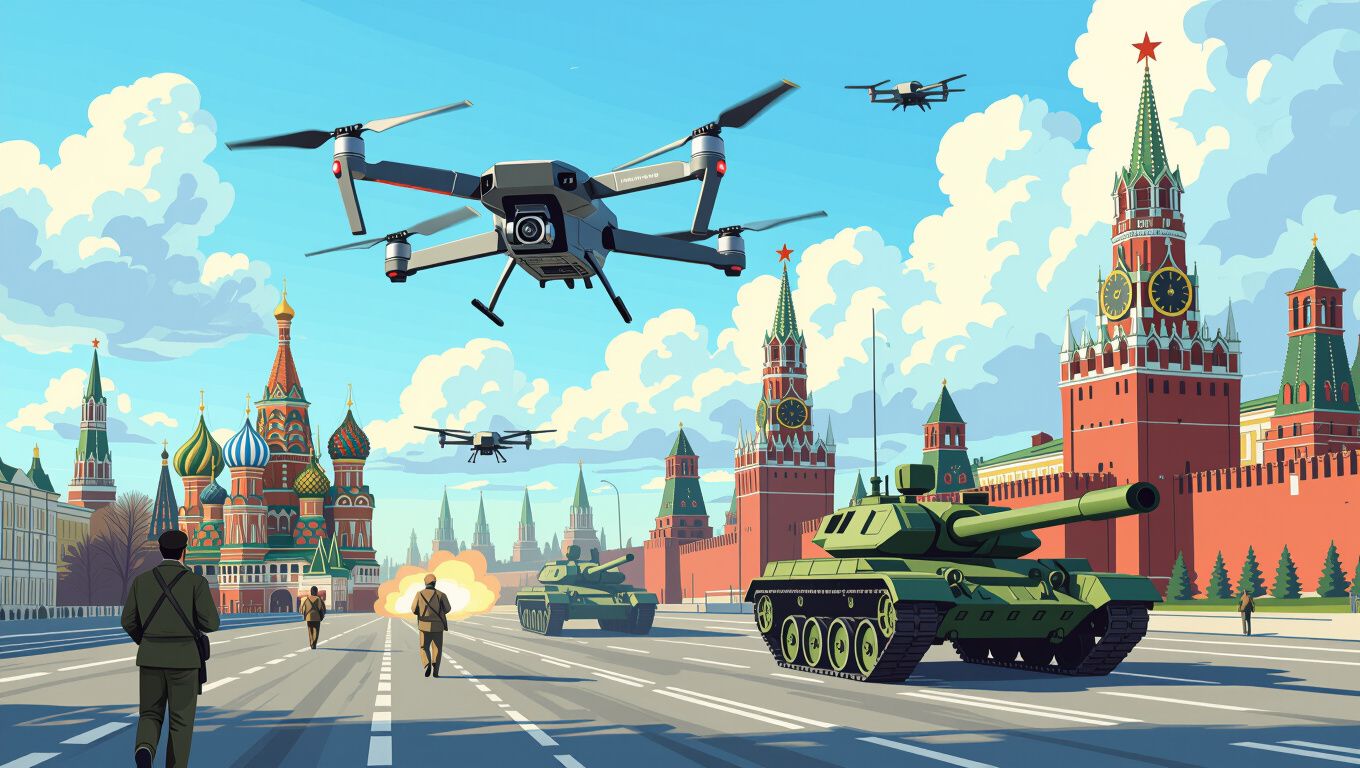
Another key aspect is cyber integration, where drones are linked to secure networks for data sharing. However, this has led to increased cyber warfare, with hackers on both sides attempting to hijack or disrupt drone controls. Ukraine’s partnership with tech firms has enabled the development of resilient communication protocols, ensuring that drones remain operational even under jamming. These strategies not only influence the outcome of battles but also set precedents for future conflicts worldwide.
In practice, drone tactics have shifted the balance of power, allowing smaller forces to challenge larger ones. For example, Ukrainian drone units have targeted Russian supply lines, disrupting logistics and forcing retreats. This has prompted a reevaluation of military doctrines globally, emphasizing the need for robust counter-UAV measures.
5. Comparison & Case Studies
The Russia vs Ukraine drone war has had profound effects on global technology, accelerating innovations and influencing international policies. By 2026, the conflict has driven advancements in AI, robotics, and materials science, as manufacturers rush to meet the demands of wartime production. This has led to a surge in drone exports, with countries like the United States and Turkey emerging as key suppliers, thereby reshaping the global arms market.
One significant impact is the democratization of technology, where open-source drone designs have empowered non-state actors and smaller nations. This has raised concerns about proliferation, as drone technology becomes more accessible. In terms of warfare, the conflict has highlighted the shift from traditional ground battles to hybrid models that incorporate cyber and aerial elements, prompting militaries worldwide to invest in drone fleets.
Economically, the war has spurred job creation in tech sectors, with companies specializing in UAV components experiencing growth. However, it has also exposed vulnerabilities, such as supply chain disruptions for critical materials like lithium batteries. Environmentally, the increased use of drones has led to discussions about their carbon footprint, though their precision strikes have reduced collateral damage compared to conventional weapons.
Globally, this conflict has influenced regulatory frameworks, with organizations like the United Nations pushing for treaties on autonomous weapons. The technological ripple effects extend to civilian sectors, where drone applications in delivery and monitoring have advanced, thanks to lessons learned from the battlefield.
6. Comparison Table
Amid the technological marvels of the Russia vs Ukraine drone war, ethical and legal issues have come to the forefront. The use of autonomous drones raises questions about accountability, as machines make life-or-death decisions without direct human oversight. By 2026, international debates center on the Geneva Conventions and whether current laws adequately address drone warfare.
One major concern is the potential for civilian casualties, as drones can malfunction or be misprogrammed. Ukraine has accused Russia of indiscriminate drone strikes, while Russia claims its operations target only military assets. This has led to calls for enhanced verification mechanisms, such as AI ethics boards, to ensure compliance with international humanitarian law.
Legally, the conflict has tested the boundaries of sovereignty, with drones crossing borders for reconnaissance. Treaties like the Outer Space Treaty, originally designed for satellites, are being adapted to cover atmospheric drones. Ethically, the psychological impact on soldiers and civilians, including the fear induced by constant surveillance, adds another layer of complexity.
Advocates argue that drones reduce human risk, but critics warn of a slippery slope toward fully automated wars. By 2026, these considerations have influenced global norms, with many nations establishing guidelines for ethical AI in military applications.
7. Implementation & Best Practices
Looking ahead in 2026, the Russia vs Ukraine drone war is poised to influence the future of warfare for years to come. Experts predict a continued emphasis on AI-enhanced drones, with developments in quantum computing enabling faster data processing and more accurate targeting. This could lead to “smart swarms” that operate as cohesive units, adapting to threats in real time.
Globally, the conflict may accelerate the adoption of defensive technologies, such as laser-based anti-drone systems, which are already in prototype stages. For Ukraine and Russia, the war’s end could hinge on technological superiority, with potential ceasefires tied to arms control agreements on drones. Beyond the battlefield, these advancements will likely transform industries, from autonomous vehicles to smart cities.
Challenges remain, including the risk of escalation if drone technology spreads to other regions. However, opportunities for peace through technology, such as using drones for humanitarian aid, offer a glimmer of hope. As we move forward, the lessons from this war will shape a more interconnected and technologically driven world.
8. Challenges & Solutions
In conclusion, the Russia vs Ukraine drone war exemplifies the transformative power of technology in modern conflicts. From its early days of basic surveillance to the sophisticated AI-driven operations of 2026, this war has redefined warfare, emphasizing innovation, strategy, and ethical responsibility. As drones continue to evolve, their role in global security will demand careful management to prevent misuse and promote peaceful applications. Ultimately, understanding this conflict provides valuable insights into the future of technology and its impact on humanity.