About This Article
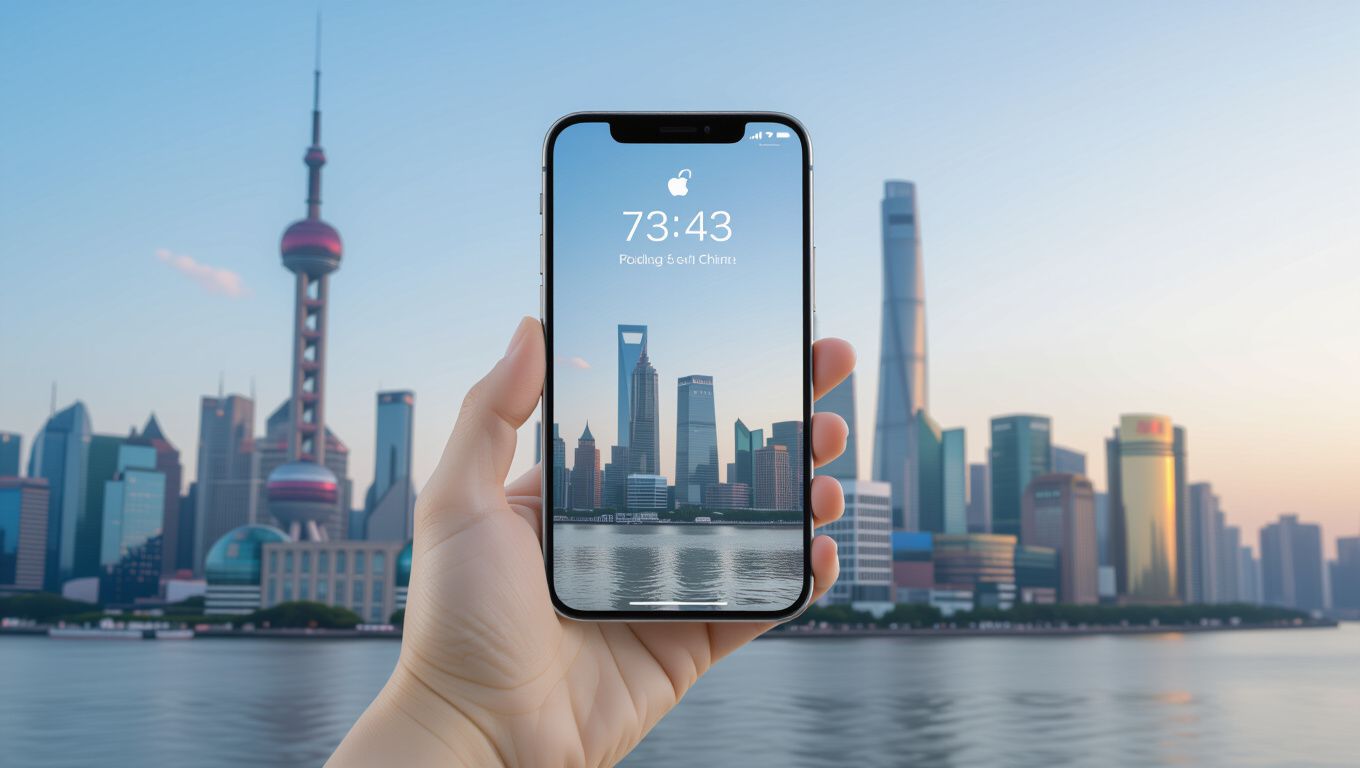
Explore how the mobile industry in China dominates global markets, from smartphone manufacturing to 5G innovation. Discover key players, trends, and growth drivers shaping tomorrow’s mobile and ipads ecosystem. Learn more below.
Introduction
The mobile industry in China has emerged as the world’s largest mobile device market, with over 1.5 billion active mobile phone users as of 2026. China’s smartphone shipments account for nearly 35% of global production, making the nation an undisputed leader in mobile technology innovation and manufacturing. This extraordinary growth reflects decades of investment in infrastructure, talent development, and competitive market dynamics that have transformed the region into a technological powerhouse.
Understanding the mobile industry in China is essential for technology professionals, investors, and consumers worldwide. The sector encompasses smartphone design, production, distribution, and emerging technologies like 5G networks, artificial intelligence integration, and foldable devices. china deal with usa‘s influence extends beyond borders, shaping international standards and consumer expectations for mobile phones, tablets, and integrated ecosystems. This article examines the mechanisms driving this industry forward and explores the opportunities and challenges that define its future trajectory.
Table of Contents
Definition and Market Structure
The mobile industry in China encompasses the complete value chain of mobile device manufacturing, software development, telecommunications infrastructure, and service delivery. This includes hardware production facilities, component suppliers, software platforms, retail networks, and telecommunications operators that collectively serve billions of users. The sector is characterized by vertical integration, where major companies control design, manufacturing, and distribution to maximize efficiency and market control.
China’s mobile landscape is dominated by five primary smartphone manufacturers: Huawei, Xiaomi, OPPO, Vivo, and Realme, alongside global competitors like Apple whose iphones command a significant premium segment. The ecosystem extends to component suppliers, display manufacturers, battery producers, and software developers who support these major brands. This interconnected network has created a self-reinforcing cycle of innovation and cost optimization that benefits the entire industry.
Market Composition and Scale
The mobile industry in China generated revenue exceeding $145 billion in 2025, driven by both domestic consumption and export demand. The Mobile industry in China includes approximately 450 active manufacturers ranging from household names to emerging startups. This competitive environment has resulted in continuous price reductions, feature improvements, and technological advancement that benefit consumers globally.
Strategic Importance and Market Impact
The mobile industry in China matters fundamentally to global technology markets because Chinese innovations establish benchmarks for international competitors. When Huawei introduces advanced camera systems or Xiaomi launches affordable flagship devices, these developments influence product strategies across Europe, Africa, and Southeast Asia. The sector also employs over 3.5 million people directly, with millions more working in supporting industries, making it essential to China’s economic growth and employment stability.
Beyond economics, the mobile industry in China shapes digital transformation across developing nations. Chinese manufacturers have made high-performance mobile phones accessible to populations previously unable to afford premium devices, accelerating digital inclusion worldwide. The sector’s emphasis on battery efficiency, processing power, and 5G capabilities determines the pace at which emerging markets can adopt mobile phones in china-first business models and digital services.
Influence on Global Standards
Chinese companies have become primary architects of mobile smart device in market and ipads ecosystem standards, from USB-C adoption to battery technology benchmarks. Their research investments in artificial intelligence, machine learning, and computational photography influence how smartphones worldwide process information and enhance user experiences. This standardization power reflects the industry’s technological maturity and manufacturing sophistication.
Consider how Huawei’s pioneering work in smartphone computational imaging became industry standard, adopted by competitors including Apple and Samsung. Similarly, Chinese manufacturers’ advancement of under-display cameras and advanced thermal management systems created product categories now expected globally. This pattern of innovation trickling from China to international markets demonstrates the sector’s centrality to technological progress.
Manufacturing and Supply Chain Operations
The mobile industry in China operates through an intricate manufacturing ecosystem concentrated in provinces like Guangdong, Shanghai, and Chongqing. Manufacturers employ sophisticated contract manufacturing partnerships with companies like Foxconn, Pegatron, and Compal, which operate massive assembly facilities processing components into finished devices. These facilities utilize advanced robotics, quality control systems, and logistics networks that enable production of hundreds of millions of devices annually while maintaining rigorous quality standards.
The supply chain operates through multiple specialized tiers: Tier 1 suppliers provide integrated components like display modules and batteries, Tier 2 suppliers furnish raw materials and sub-assemblies, and Tier 3 provides basic materials and chemicals. This segmentation enables rapid scaling and specialization, allowing manufacturers to reduce costs while maintaining quality. The interconnection between these tiers creates responsive supply networks that can adapt quickly to consumer demand fluctuations and technological changes.
Distribution and Sales Channels
<p channels. Companies like Xiaomi pioneered pure online sales models that eliminated middlemen, reducing costs and improving margins. This channel diversification provides manufacturers flexibility to reach different customer segments and maximize market penetration across urban and rural areas.The outcome is an efficient system where new products reach consumers within weeks of manufacturing completion. Online platforms enable real-time inventory management and demand forecasting, reducing stockouts and excess inventory that plague traditional retail. This operational excellence has made Chinese mobile manufacturers exceptionally responsive to market trends and consumer preferences, enabling rapid product iteration cycles.
Leading Manufacturers and Market Players
Huawei stands as the most vertically integrated player in the mobile industry in China, controlling semiconductor design through HiSilicon, operating its own manufacturing facilities, and developing Harmony OS software to reduce dependence on Android. The company commands approximately 18% of China’s smartphone market despite international sanctions that restrict chip procurement. Xiaomi has built the world biggest market‘s largest smart home ecosystem, leveraging its mobile devices as central hubs for interconnected home automation products and services.
OPPO and Vivo have distinguished themselves through aggressive investment in portrait and video photography technologies, establishing premium positioning that supports higher profit margins. Realme emerged as the fastest-growing manufacturer by targeting value-conscious consumers with feature-rich devices at aggressive price points. These companies demonstrate diverse strategic approaches reflecting different market segments and consumer preferences within the mobile industry in China.
International Competition and Iphones
Apple’s iphones represent the premium segment of the mobile industry in China, commanding approximately 22% market share by revenue despite representing only 12% of unit sales. The disparity reflects iphones’ positioning at significantly higher price points, targeting affluent consumers and professionals. Chinese manufacturers increasingly encroach on Apple’s traditional market through advanced features, superior battery capacity, and lower pricing that provide exceptional value propositions.
Samsung maintains a modest presence through its Galaxy S series devices marketed toward consumers seeking non-Chinese alternatives in the premium segment. However, Samsung’s market share has declined steadily as Chinese manufacturers improved quality and expanded premium offerings. The competitive dynamic shows Chinese companies successfully navigating upstream and capturing market share from international competitors despite decades of brand loyalty advantages.
Innovation Trends and Industry Challenges
The mobile industry in China faces critical challenges as smartphone markets mature and growth slows in developed regions. Annual shipment growth has decelerated from double-digit percentages to single digits, forcing manufacturers to focus on higher-priced models and emerging technologies like foldable phones. Technological differentiation has become increasingly difficult as most manufacturers achieve feature parity in processing power, camera quality, and battery performance, intensifying price-based competition.
Supply chain vulnerabilities have emerged as geopolitical tensions restrict access to critical components and advanced semiconductor manufacturing technology. Chinese companies face restrictions on purchasing cutting-edge chips from international suppliers, requiring accelerated investment in domestic semiconductor capabilities. The mobile industry in China must navigate these constraints while continuing innovation in 5G implementation, artificial intelligence integration, and emerging augmented reality applications that could drive next-generation demand.
Technological Innovation Directions
Manufacturers are investing heavily in foldable mobile technology, with Huawei and Samsung competing on durability and design sophistication. Advanced battery technologies including solid-state designs could extend device longevity and reduce charging times, addressing consumer frustrations. The mobile and ipads integration through unified operating systems and seamless device connectivity represents another focus area where Chinese companies pursue differentiation.
Market data reveals that 34% of consumers in China upgraded devices primarily for improved camera capabilities, while 28% cited battery longevity as the deciding factor. These preferences drive research priorities across the industry toward computational photography advancement and power management optimization. Companies investing in these areas are capturing disproportionate market share among upgrading customers willing to pay premium prices for meaningful improvements.

Comparison Table
The following table compares major segments and key players within the mobile industry in China across critical dimensions:
| Brand and Segment | Core Strength | Main Limitation | Best Fit |
|---|---|---|---|
| Huawei Premium | Advanced photography, Harmony OS ecosystem | International market restrictions, chip access | Domestic Chinese consumers, tech-focused users |
| Xiaomi Value | Smart home integration, competitive pricing | Premium brand perception, service networks | Budget-conscious users, smart home adopters |
| OPPO and Vivo Photography | Video and portrait technology, design | Limited global distribution, software innovation | Photography enthusiasts, mid-premium segment |
| Apple Premium Global | Brand loyalty, software ecosystem, resale value | High pricing, limited hardware customization | Affluent global consumers, business professionals |
This comparison reveals how Chinese manufacturers have effectively segmented the market, addressing diverse consumer needs from budget-conscious buyers to premium tech enthusiasts, while iphones maintain dominance through ecosystem lock-in and brand prestige.
Frequently Asked Questions About Mobile Industry in China
What Drives Innovation in the Mobile Industry in China?
Chineseotyping cycles that enable quick iteration on successful features. Government investment in research institutions and generous tax incentives for technology development accelerate innovation. Companies maintain massive research teams focused on camera systems, battery technology, and software optimization that drive measurable improvements users experience annually.
How Do Chinese Mobile Manufacturers Maintain Such Low Prices?
Vertical integration reduces costs by eliminating middlemen, while massive production volumes spread fixed costs across millions of units. Chinese manufacturers operate facilities domestically with lower labor costs than international competitors, and efficient supply chain management minimizes logistics expenses. Direct-to-consumer sales channels eliminate retailer margins, allowing companies to offer premium features at fraction of international pricing.
Why Is the Mobile Industry in China Important to Global Markets?
Chinese companies establish technology benchmarks that influence competitors worldwide, from camera innovations to battery management systems. The sector determines global supply chain dynamics for critical components including semiconductors and displays. Market trends in China often precede international adoption, making the region essential for predicting future technology directions and consumer preferences.
What Challenges Does the Mobile Industry in China Currently Face?
Market saturation in developed regions slows growth, while geopolitical restrictions limit access to advanced semiconductors and manufacturing technology. Companies face intense domestic competition that erodes profit margins, requiring continuous innovation investment. Environmental concerns regarding e-waste and battery production sustainability increasingly pressure manufacturers to adopt circular economy practices.
How Do Mobile and Ipads Ecosystems Integrate in China?
Chinese manufacturers increasingly develop unified operating systems and cloud services connecting smartphones, tablets, laptops, and smart home devices into seamless ecosystems. These integrated platforms enable features like cross-device file sharing, unified notifications, and collaborative applications that enhance user productivity. This ecosystem approach drives customer loyalty and creates switching costs that benefit manufacturers long-term.
Conclusion
The mobile industry in China represents far more than a regional market phenomenon; it constitutes the technological engine driving global mobile innovation and affordability. Chinese manufacturers have systematically improved manufacturing capabilities, invested in research and development, and built distribution networks that enable them to compete effectively against established international competitors. The sector’s evolution from assembly-based manufacturing to sophisticated design and innovation demonstrates the region’s technological maturation and economic advancement.
To stay informed about developments in this dynamic sector, explore latest technology news on Techwicz and subscribe to industry publications tracking smartphone releases and market trends. Understanding the mobile industry in China positions you to anticipate technology shifts, evaluate investment opportunities, and comprehend forces reshaping global consumer technology markets. Begin today by researching specific manufacturers and examining how their innovations might influence products you use.
Expert Insight
According to analyst Ming-Chi Kuo from TF Securities, the mobile industry in China will see smartphone ASP pressure continue through 2027 as manufacturers compete aggressively on mid-range pricing. However, foldable devices and advanced AI-powered features could create new premium segments that offset margin compression in traditional smartphone categories, potentially reshaping profitability dynamics across the industry.
Additional resources supporting this article include China mobile technology coverage from major news outlets, detailed market analysis through China telecommunications sector reports, and research examining china deal with usa implications for the industry. For deeper understanding of employment and market dynamics, consult mobile phones in china trend analysis and technical research into mobile smart device in market evolution. Global perspective comes from people usign mobile phones statistics and usage patterns shaping industry direction.