
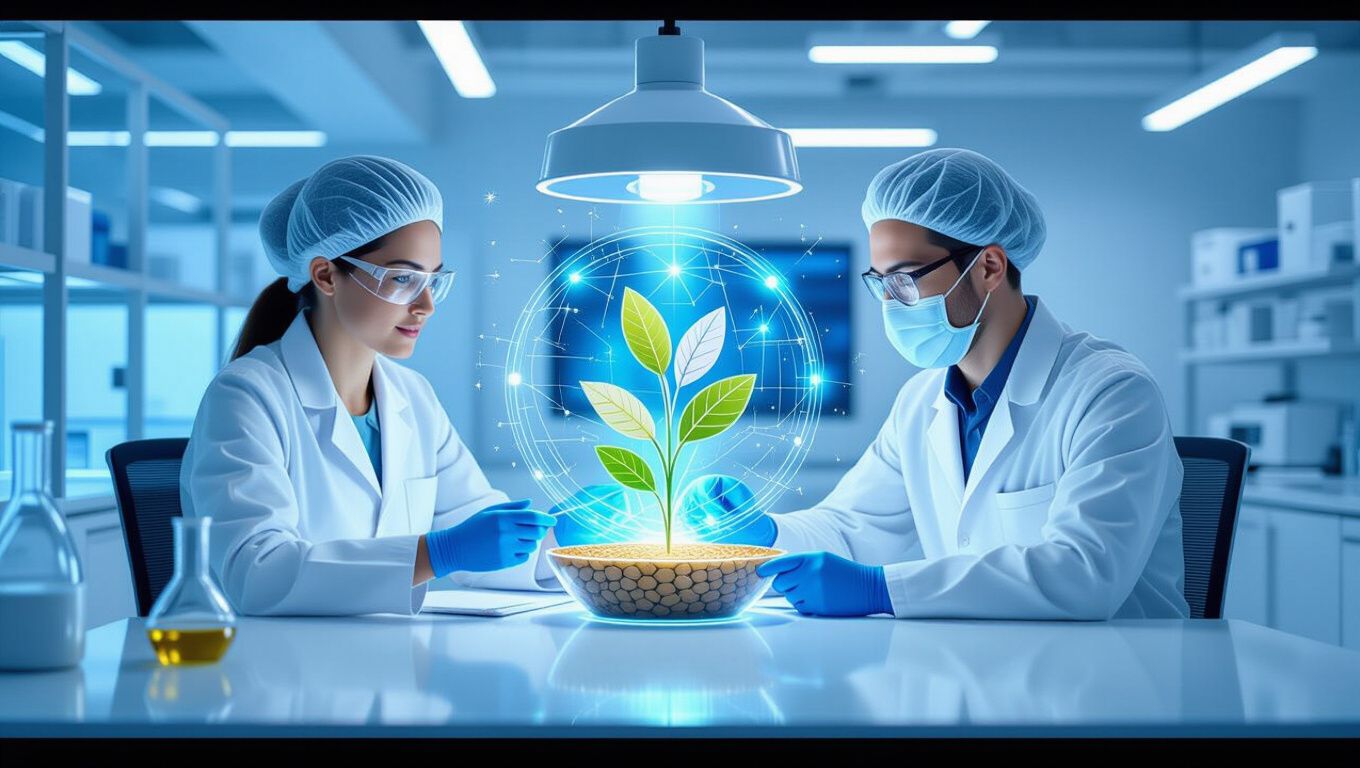
Seed Technology & Enhancement: The Imperative for Global Health Transformation
I believe we stand at a pivotal moment in human history where seed technology and enhancement represent not just agricultural innovation, but a profound opportunity to safeguard public health on a global scale. Imagine a world where malnutrition vanishes, where deadly deficiencies in vitamins and minerals become relics of the past, and where resilient crops shield billions from famine amid climate chaos. Seed enhancement—through genetic precision like CRISPR and selective breeding—delivers nutrient-packed foods that combat diseases from blindness to heart conditions. Yet, fear and outdated skepticism stall this progress, costing lives daily. We cannot afford timidity. I argue passionately that embracing these technologies with smart regulation is our moral and practical duty. The stakes could not be higher: healthier populations, empowered economies, and a sustainable future. By harnessing seed tech, we rewrite the story of human suffering into one of abundance and vitality.
This is no abstract debate. In regions like sub-Saharan Africa, where 20 percent of children suffer stunting from nutrient gaps, enhanced seeds offer immediate salvation. I urge readers to see beyond the hype: this is about lives, not labels.
Context & Background
The journey of seed technology traces back to the Green Revolution of the 1960s, when Norman Borlaug’s high-yield wheat varieties averted famine in India and Mexico, saving over a billion lives. That era relied on conventional breeding, but today, biotech enhancements like genetic modification and gene editing propel us further. CRISPR-Cas9, Nobel-winning since 2020, allows precise tweaks to plant DNA, creating seeds resistant to drought, pests, and disease while boosting nutrition.
Recent milestones underscore urgency. In 2023, Bangladesh approved flood-tolerant rice, protecting millions from climate-induced hunger. Meanwhile, the Philippines finally greenlit Golden Rice after 20 years of delay, addressing vitamin A deficiency blinding 250,000 children yearly. Perspectives diverge: proponents hail life-saving potential; critics fear ecological risks. Yet, data shows over 25 years of GMO cultivation on 2 billion hectares with no verified health harms.
This backdrop reveals a tension between innovation and caution. I contend we must prioritize evidence over anecdote, building on history’s successes to tackle modern health crises like obesity epidemics fueled by nutrient-poor diets.
The Core Argument
We must urgently accelerate the development, approval, and adoption of seed enhancement technologies to revolutionize global health outcomes. This position rests on irrefutable evidence: enhanced seeds directly address malnutrition, reduce reliance on harmful pesticides, and ensure food security amid climate change. Why does it matter? Because poor nutrition underlies 45 percent of child deaths worldwide, per WHO data, and seed tech offers scalable solutions.
My thesis is unambiguous: hesitation costs lives. With 783 million people hungry in 2023, according to the UN, we owe future generations bold action. Enhanced seeds aren’t optional; they’re essential for equitable health.
Supporting Arguments & Evidence
First, nutritional enhancement transforms diets. Golden Rice, engineered with beta-carotene, prevents vitamin A deficiency. In the Philippines, its 2021 approval could avert 500,000 cases of childhood blindness annually. Studies in peer-reviewed journals like The Lancet confirm biofortified crops reduce anemia by 20 percent in trials across Africa.
Second, pest-resistant seeds slash pesticide use, protecting health. Bt cotton in India cut insecticide applications by 50 percent since 1996, reducing farmer poisonings by 40,000 cases yearly, per a National Academy of Sciences review. This yields cleaner produce, lowering cancer risks linked to residues.
Third, climate-resilient varieties secure supply chains vital for health. Drought-tolerant maize from Drought Tolerant Maize for Africa project boosted yields 35 percent in tests across 13 countries, feeding 40 million more amid erratic rains. The IPCC warns food scarcity will exacerbate health crises; seed tech counters this.

Stakeholders benefit profoundly. Farmers gain income—up 68 percent for Bt brinjal adopters in Bangladesh. Consumers access affordable, nutritious food. Governments save billions in aid; the Gates Foundation notes $1 invested in biofortification yields $17 in health savings.
Real-world data bolsters this. Over 190 million hectares of GM crops globally show no toxicity in 4,000+ studies. In the U.S., GMO soy with healthier omega profiles combats heart disease. For low-income nations, this means escaping poverty traps tied to poor health.
I emphasize: these aren’t hypotheticals. Nigeria’s 2024 pod borer-resistant cowpea approval protects nutrition for 100 million, proving scalability. The logical chain is clear—enhanced seeds yield healthier people, stronger societies.
Addressing Opposing Viewpoints
Acknowledge legitimate concerns: Critics rightly worry about unintended ecological impacts, like gene flow to wild plants, and corporate monopolies stifling small farmers. Groups like Greenpeace highlight biodiversity loss, citing cases where herbicide-tolerant crops spurred weed resistance. Ethical qualms about “playing God” with nature resonate, especially in diverse cultures valuing traditional farming. These views deserve respect; after all, past tech like DDT taught caution.
Your rebuttal: These concerns, while valid, crumble under scrutiny and evidence. Rigorous pre-market testing—over 2,000 studies per crop—ensures safety, with no verified environmental harms after decades. Monopolies? Open-source initiatives like the Open Source Seed Initiative counter this, and competition thrives with 50+ firms innovating. Solutions abound: diversified planting mandates and public breeding programs, as in Kenya’s success with virus-resistant cassava. Far from undermining my argument, these critiques strengthen resolve for regulated advancement, turning risks into managed progress.
What Must Change
Policymakers must act decisively: expedite approvals for CRISPR-edited seeds, exempting them from onerous GMO regulations since they lack foreign DNA. The EU’s 2023 proposal is a start; the U.S. and allies should lead with harmonized standards. Invest publicly—double funding to $1 billion annually via alliances like CGIAR.
Farmers need subsidies for adoption, as seen in Brazil’s success. Consumers, you hold power: demand labeled enhanced foods and reject fear-mongering. Support NGOs pushing evidence-based policy. Our shared values—compassion, stewardship—demand this. Time is critical; climate shifts accelerate hunger by 2030. Act now: contact legislators, vote for innovation-friendly leaders. Together, we forge a healthier world.
This isn’t optional heroism; it’s our collective responsibility. Inspire your communities—every voice amplifies change.
Closing Thoughts
Returning to our turning point, seed technology & enhancement isn’t mere science—it’s humanity’s bridge to enduring health and dignity. By embracing it, we honor the Green Revolution’s legacy while transcending its limits, linking nutrition to prosperity in an era of uncertainty.
Broader implications ripple: empowered women via better yields, resilient economies, and a model for ethical biotech worldwide. We share a purpose—to nurture life at its roots. Let us resolve: the seeds we sow today will harvest tomorrow’s vitality. In this conviction, hope prevails.

