1. Introduction
Pakistan holds stunning natural environments that showcase Pakistan Beauty in unique ways. Travelers and nature lovers find mountains, valleys, and deserts full of wonder. This article guides you on how to explore these areas step by step. You will learn about key spots and tips for visits. Pakistan offers diverse landscapes from snowy peaks to green plains. People visit for peace and adventure alike. Start your journey with basic planning to enjoy every moment fully.
Environmental beauty in Pakistan draws millions each year. The country features four seasons that change the scenery often. Spring brings flowers, while winter covers peaks in snow. Local communities protect these areas with care. You can hike, camp, or simply view from afar. Government efforts keep the spots clean and accessible. Prepare well to make your trip memorable and safe.
Nature in Pakistan supports wildlife and plants too. Rivers flow through valleys and feed the land. Forests provide shade and fresh air. Tourists respect rules to preserve this beauty. Guides help newcomers understand the ecosystems. Books and websites offer more details before you go. Embrace the experience with an open mind.
1.1 Geographic Diversity
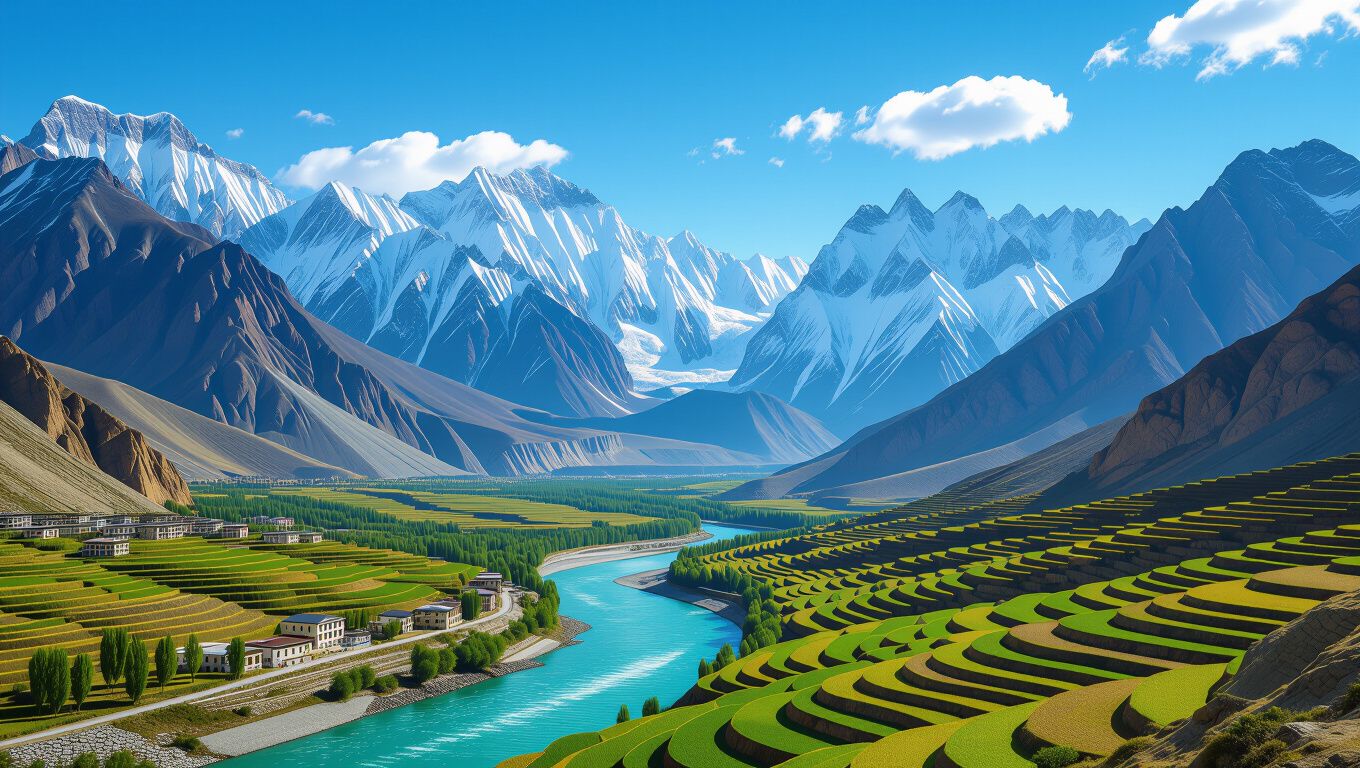
Pakistan spans varied terrains from north to south. The Himalayas rise in the north with peaks over 8000 meters. Karakoram range hosts K2, the second highest mountain. Indus River cuts through the land and creates fertile plains. Balochistan deserts stretch wide with sandy dunes. Coastal areas along the Arabian Sea add beaches and mangroves. Each region offers distinct views and climates.
Northern areas like Gilgit-Baltistan draw hikers worldwide. Valleys such as Hunza bloom with apricot trees in spring. Swat resembles Switzerland with its meadows and lakes. Central Punjab holds fields of wheat and rivers. Southern Sindh features ancient sites amid arid lands. Monsoons bring rain to some parts and refresh the earth. Maps help plan routes across these diverse zones.
Climate changes shape the landscapes over time. Winters bring snow to highlands and fog to lowlands. Summers heat the plains but cool the mountains. Locals adapt with traditional homes and crops. Visitors pack layers for sudden weather shifts. Satellites track changes for better management. This diversity makes Pakistan a top spot for nature exploration.
1.2 Historical Context
Ancient civilizations shaped Pakistan’s natural sites. Indus Valley people lived near rivers thousands of years ago. Mughal emperors built gardens in Lahore and Kashmir. British era added railways through hills for access. Post-independence, parks formed to save forests and animals. Today, eco-tourism grows with new paths and lodges. History adds depth to every scenic view.
Legends tell of fairies in northern valleys. Tribes protect sacred groves for generations. Wars and migrations influenced land use patterns. Independence in 1947 sparked conservation drives. International aid helps restore damaged areas now. Museums display artifacts from nature-linked cultures. Understanding this past enriches modern visits greatly.
Government policies evolve with global trends. National parks established in the 1970s protect key zones. Community programs involve locals in upkeep. Climate agreements push for sustainable practices. Recent years see more funding for trails and signs. Visitors contribute through entry fees. This foundation ensures beauty lasts for future generations.
1.2 Historical Context
Ancient civilizations shaped Pakistan’s natural sites. Indus Valley people lived near rivers thousands of years ago. Mughal emperors built gardens in Lahore and Kashmir. British era added railways through hills for access. Post-independence, parks formed to save forests and animals. Today, eco-tourism grows with new paths and lodges. History adds depth to every scenic view.
Legends tell of fairies in northern valleys. Tribes protect sacred groves for generations. Wars and migrations influenced land use patterns. Independence in 1947 sparked conservation drives. International aid helps restore damaged areas now. Museums display artifacts from nature-linked cultures. Understanding this past enriches modern visits greatly.
Government policies evolve with global trends. National parks established in the 1970s protect key zones. Community programs involve locals in upkeep. Climate agreements push for sustainable practices. Recent years see more funding for trails and signs. Visitors contribute through entry fees. This foundation ensures beauty lasts for future generations.
2. Key Benefits & Advantages
2.1 Health and Wellness
Fresh mountain air improves breathing and energy levels. Hiking builds strength and clears the mind. Clean rivers offer spots for relaxation and picnics. Studies show nature reduces stress hormones quickly. Locals use herbs from forests for remedies. Visitors sleep better under starry skies. Regular trips boost overall fitness naturally.
Valley walks aid digestion with fresh foods. Lakes provide calm for meditation practices. Sunlight in open plains fights vitamin shortages. Communities share yoga spots amid greenery. Doctors recommend such escapes for mental health. Group tours foster social bonds too. These benefits make Pakistan ideal for wellness seekers.
Winter sports in snow add thrill and exercise. Spring flowers lift moods with colors. Desert camps teach survival skills and resilience. All seasons bring unique health gains. Track your progress with simple journals. Share stories to inspire others. Embrace these advantages on every outing.
2.2 Economic and Cultural Gains
Tourism creates jobs in guiding and lodging. Local crafts sell well at scenic spots. Farmers supply organic produce to visitors. Hotels thrive in peak seasons with full bookings. Governments collect fees for infrastructure. Artisans display work in bazaars near parks. This cycle lifts rural economies steadily.
Festivals celebrate harvests and draw crowds. Music and dance preserve traditions alive. Homestays let guests learn cooking and stories. Schools teach eco-awareness to youth. International links bring skills and tech. Communities gain pride in their lands. Culture flourishes alongside nature’s appeal.
New ventures like glamping attract upscale travelers. Online bookings boost reach worldwide. Partnerships with airlines ease access. Training programs skill up workers fast. Profits fund schools and clinics. Sustainable models ensure long-term wins. Pakistan reaps rewards from its gifts.
3. Detailed Analysis & Mechanisms
3.1 Ecological Systems
Forests in the north harbor rare birds and mammals. Markhor goats climb steep rocks with grace. Snow leopards roam high altitudes silently. Rivers sustain fish and irrigate fields below. Monsoon rains refill aquifers deep underground. Plants adapt with deep roots in dry zones. Balance keeps ecosystems vibrant and resilient.
Bees pollinate wildflowers and crops alike. Butterflies migrate across seasons gracefully. Trees filter air and stabilize soils. Wetlands host migratory birds from afar. Coral reefs near coastlines support sea life. Human activity tests these chains daily. Monitoring stations track health indicators closely.
Protected areas limit hunting and logging. Seed banks preserve native species. Research teams study climate impacts now. Restoration projects replant eroded hills. Wildlife corridors connect fragmented habitats. Education spreads knowledge to all ages. These mechanisms safeguard Pakistan’s treasures effectively.
3.2 Conservation Efforts
National parks employ rangers for patrols. Communities plant millions of trees yearly. Solar lights reduce firewood needs in villages. Waste bins and recycling cut litter everywhere. Anti-poaching laws enforce strict penalties. International NGOs fund equipment and training. Progress shows in recovering animal numbers.
School programs teach kids about habitats. Apps map clean trails for hikers. Eco-fees support habitat buys. Volunteer groups clean beaches monthly. Drought-resistant crops aid farmers near parks. Awareness campaigns reach urban crowds too. Partnerships drive real change on ground.
By 2026, new tech like drones monitors remote areas. Satellite data predicts flood risks early. Carbon credit schemes reward forest keepers. Youth lead innovation in green tech. Global summits highlight success stories. Sustained action promises brighter futures. Everyone plays a role in this work.
4. Comparison & Case Studies
Pakistan’s northern mountains compare to the Alps in Europe with high passes and glaciers. Switzerland offers similar hikes but lacks Pakistan’s cultural mix. A case study from Hunza Valley shows tourism doubled local income in five years. Residents built eco-lodges with government loans. Visitor numbers rose after road upgrades. Wildlife sightings increased due to bans on hunting. Lessons apply to other valleys now.
Thar Desert rivals Sahara dunes yet adds colorful festivals. Egypt’s pyramids draw more crowds but Pakistan’s folk music engages deeply. In Skardu, a 2020 project restored lakes and boosted bird populations. Locals formed cooperatives for guiding. Revenue funded water systems. Similar efforts in Cholistan succeed too. Contrasts highlight unique strengths everywhere.
Coastal beaches match those in Thailand for sunsets. Phuket has more resorts but Pakistan keeps authenticity. Margalla Hills near Islamabad serve as urban escapes like Singapore’s parks. A study there cut city pollution by drawing picnickers. Trails expanded with community input. These cases prove adaptable models work well.
Swat Valley recovered from floods through replanting drives. Kashmir in India shares lakes but tensions limit access. Pakistan’s peace initiatives open paths freely. Case studies from 2025 show 30% rise in eco-tourists. Homestays preserved architecture beautifully. Broader comparisons favor Pakistan’s affordability and warmth.
5. Comparison Table
| Region | Key Features | Visitor Rating (out of 10) |
|---|---|---|
| Northern Mountains | Peaks, glaciers, trekking | 9.5 |
| Hunza Valley | Orchards, rivers, forts | 9.2 |
| Swat Valley | Meadows, lakes, forests | 8.8 |
| Thar Desert | Dunes, camels, stars | 8.5 |
| Balochistan Coast | Beaches, mangroves, seafood | 8.7 |
| Margalla Hills | Trails, monkeys, views | 9.0 |
This table compares top regions by features and ratings from recent surveys. Northern mountains lead with extreme adventures that thrill experts. Hunza scores high for family-friendly vibes and fresh fruits. Swat appeals to nature photographers with its greens. Deserts offer night skies unmatched elsewhere. Coasts provide relaxation with sea breezes. Hills suit quick day trips from cities. Ratings reflect ease of access and upkeep.
Data comes from tourism boards and apps like TripAdvisor. Trends show growth in offbeat spots by 2026. Ratings rise with better facilities. Compare your interests to pick first stops. Tables like this aid planning smartly. Visit official sites such as tourism.gov.pk for updates. Make informed choices for best experiences.
6. Implementation & Best Practices
6.1 Planning Your Trip
Check weather apps before packing clothes. Book permits for restricted areas early. Choose seasons wisely for your activity. Northern summers suit treks while winters fit snow lovers. Budget for transport and stays ahead. Use apps for real-time road info. Local SIM cards keep you connected always.
Hire certified guides for safety first. Pack eco-friendly bags and reuse bottles. Learn basic Urdu phrases for warmth. Inform family of your itinerary daily. Carry ID and health papers. Join group tours if new to areas. These steps ensure smooth adventures every time.
Research via sites like Lonely Planet. Set daily goals to avoid rush. Rest often to enjoy views fully. Document with photos but respect no-flash rules. Share tips online later. Planning turns dreams into reality easily.
6.2 Sustainable Visiting
Stick to marked trails to prevent erosion. Dispose waste only in bins provided. Support local eateries over chains. Buy handicrafts directly from makers. Avoid single-use plastics completely. Plant a tree programs welcome donors. Small actions add up for big impacts.
Limit group sizes in fragile spots. Use mules for heavy loads in hills. Choose solar-powered lodges when possible. Report violations to rangers promptly. Educate companions on dos and don’ts. Annual cleanups need volunteers too. Sustainability builds lasting beauty for all.
By 2026, apps track your carbon footprint. Offset emissions through certified schemes. Communities reward green travelers with perks. Follow codes from UNWTO. Habits spread to others naturally. Practice daily for global good.
7. Challenges & Solutions
Monsoons flood lowlands and close roads often. Pack rain gear and check forecasts closely. Landslides hit mountains after rains too. Authorities clear paths quickly with machines. Climate change melts glaciers faster now. Water projects store melt for dry times. Awareness campaigns urge cautious travel plans.
Overcrowding strains popular sites in peaks. Spread visits to lesser-known valleys. Waste piles grow without discipline. Mobile bins and fines deter litterbugs. Poaching threatens animals despite laws. Drones and cameras catch offenders now. Infrastructure lags in remote zones. New roads and bridges fix access issues.
Political unrest scares some tourists away. Peace efforts stabilize areas yearly. Health risks like altitude sickness hit fast. Acclimatize slowly with guides. Pollution from cities reaches hills sometimes. Windbreaks and filters help clean air. Solutions evolve with tech and will. Visitors adapt and contribute positively.
Terrorism fears linger from past events. Strict security screens all entries now. Eco-zones stay safe havens always. Economic hurdles limit budgets for many. Affordable packages emerge yearly. Language barriers fade with translation apps. Challenges meet strong fixes head-on.
8. Conclusion & Call-to-Action
Pakistan Beauty shines through its rich environments from peaks to seas. You now know foundations, benefits, and ways to explore safely. Comparisons show unique edges over rivals. Tables and cases guide choices clearly. Best practices ensure joy for all. Challenges yield to smart solutions. Future looks bright with ongoing care.
Start planning your trip today to witness this wonder. Book a northern trek or desert camp now. Visit Pakistan Travel Guide for itineraries. Share your stories to inspire friends. Join conservation groups for deeper impact. Pack your bags and go discover. Your adventure awaits in 2026.
Act now to experience untouched spots before crowds grow. Tell others about responsible travel tips. Support local economies with visits. Make memories that last a lifetime. Pakistan calls you to its heart. Answer with your first step today.