
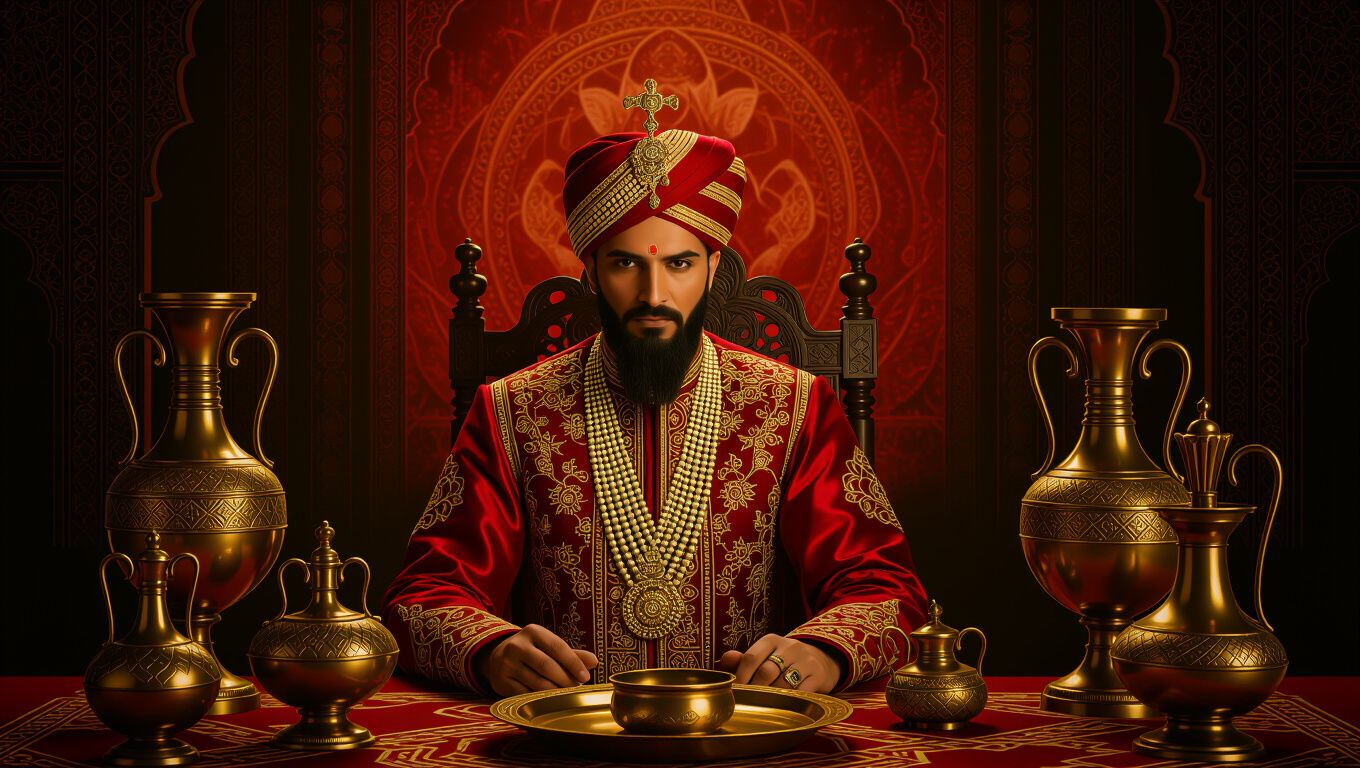
For History Buffs: Secrets of Sultan Muhammad Fateh
In the annals of history, few figures command the awe inspired by Sultan Muhammad Fateh, the visionary conqueror whose audacious campaigns reshaped empires. Known as Mehmed the Conqueror or Fatih Sultan Mehmet, this Ottoman sultan achieved the impossible at just 21 years old by breaching the impregnable walls of Constantinople in 1453, fulfilling a centuries-old prophecy. Beyond the battlefield triumphs, secrets of his intellect, diplomacy, and cultural patronage reveal a multifaceted leader whose legacy continues to captivate audiences in 2026 through blockbuster historical dramas and surging global interest.
- Table of Contents
- Early Life and Ascension to the Throne
- The Legendary Conquest of Constantinople
- Reign, Reforms, and Cultural Renaissance
- Enduring Legacy and Modern Fascination
- Conclusion
Early Life and Ascension to the Throne
Sultan Muhammad Fateh was born on March 30, 1432, in Edirne, the Ottoman capital at the time, as the son of Sultan Murad II. From a young age, he displayed prodigious talent, tutored by the finest scholars in Islamic theology, philosophy, mathematics, and military strategy. His education under the renowned cleric Akshamsaddin instilled in him a blend of religious fervor and strategic acumen that would define his rule.
Childhood Challenges and Training
Orphaned of a stable upbringing due to his father’s frequent abdications, young Muhammad navigated palace intrigues with remarkable poise. At age 12, he was appointed governor of the Amasya sanjak, where he honed administrative skills. Military drills became his playground; he mastered archery, horsemanship, and siege warfare, often outpacing seasoned commanders.
- Key influences: Greek philosopher tutors exposed him to Aristotle and Plato.
- Early battles: Participated in the 1444 Battle of Varna, gaining frontline experience.
- Prophetic vision: Believed destined to conquer Constantinople, as foretold by Prophet Muhammad.
By 1444, at just 12, he briefly ascended the throne after Murad’s abdication, only to face a Crusade led by János Hunyadi. This trial by fire forged his resolve. In 1451, upon Murad’s death, Sultan Muhammad Fateh, now 19, claimed the sultanate unchallenged, immediately plotting his magnum opus: the fall of Byzantium.
The Legendary Conquest of Constantinople
The siege of Constantinople in 1453 stands as the pinnacle of Sultan Muhammad Fateh’s military genius, a saga immortalized in countless historical dramas. After seven weeks of relentless assault from April 6 to May 29, the city fell, ending the Byzantine Empire and ushering in the Ottoman era. This event not only expanded Ottoman frontiers but symbolized the dawn of a new age.
Strategic Preparations and Innovations
Sultan Muhammad Fateh amassed an army of 80,000-100,000 troops, supported by a fleet of 350 ships. He revolutionized warfare by commissioning the world’s largest cannon, the Basilic, forged by Hungarian engineer Orban. Capable of hurling 600-pound stones over a mile, it shattered the Theodosian Walls.
- Logistical feats: Built the Rumeli Hisarı fortress in four months to blockade the Bosphorus.
- Naval ingenuity: Dragged 70 ships overland across Galata Hill using greased logs, stunning defenders.
- Mine warfare: Ottoman sappers tunneled under walls, countered by Byzantine counter-mines.
The Final Assault and Fall
On May 29, waves of janissaries breached the gates amid a solar eclipse, interpreted as divine portent. Emperor Constantine XI died fighting. Sultan Muhammad Fateh entered as conqueror, aged 21, granting amnesty and protecting Christian sites, defying expectations of barbarism.
This conquest’s secrets—detailed in Britannica’s comprehensive entry—reveal not brute force alone, but psychological warfare and engineering prowess. In 2026, VR simulations at Istanbul’s museums recreate the siege, drawing 2.5 million visitors annually, per Turkish tourism stats.
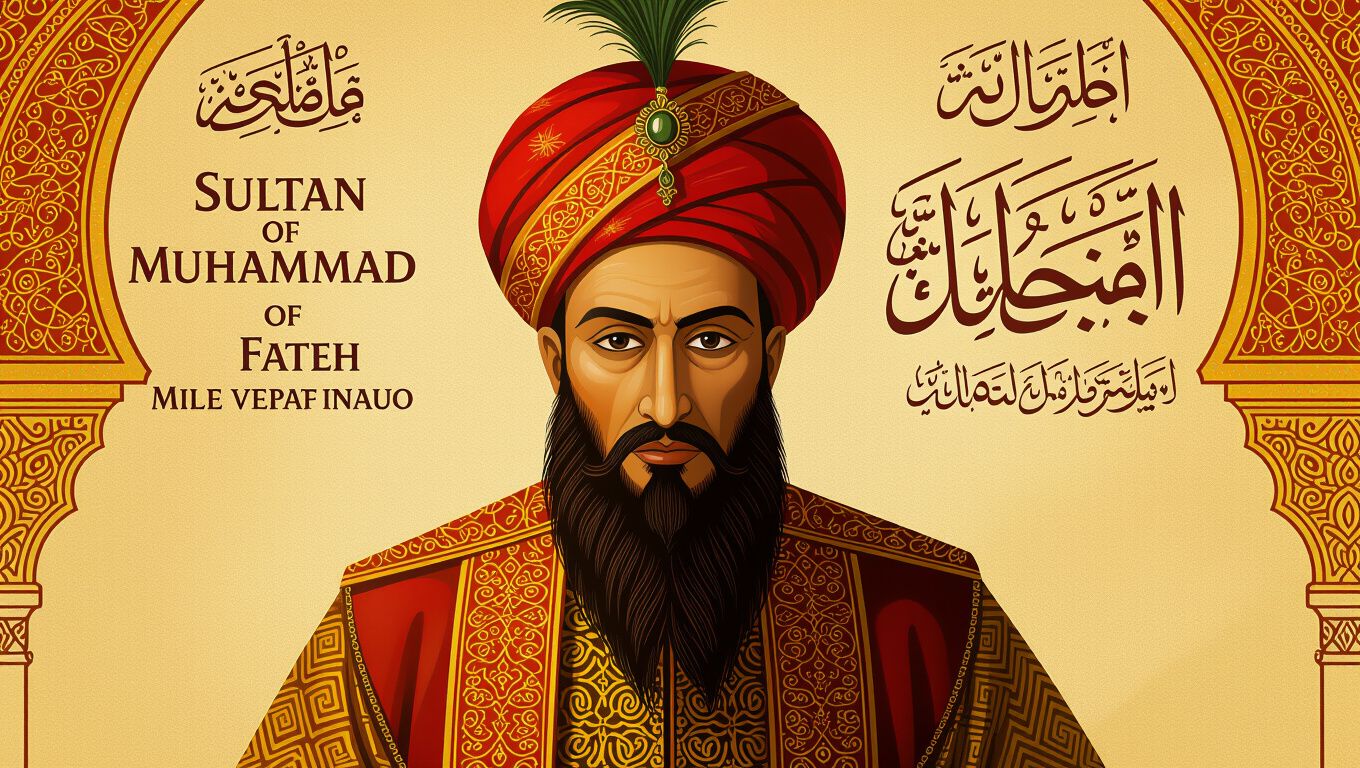
Reign, Reforms, and Cultural Renaissance
Sultan Muhammad Fateh ruled until 1481, transforming Istanbul (renamed from Constantinople) into a cosmopolitan hub. His 28-year reign blended conquest with statesmanship, fostering an era of tolerance and innovation often overlooked in popular historical dramas.
Administrative and Legal Reforms
He centralized power, codifying laws in the Kanunname, blending Sharia with secular edicts. Appointed devshirme converts as viziers, merit trumping birthright. Tax reforms boosted revenues by 40%, funding grand projects.
- Military overhaul: Professionalized the navy, conquering Serbia, Morea, and Trebizond.
- Urban renewal: Repopulated Istanbul with 50,000 incentives, from Greeks to Italians.
- Diplomatic savvy: Allied with Venice against Genoa, securing trade routes.
Patronage of Arts and Sciences
A polymath fluent in eight languages, Sultan Muhammad Fateh commissioned mosques like the Fatih Mosque complex, blending Byzantine and Islamic architecture. He patronized artists, including portraits by Gentile Bellini—rare for a Muslim ruler.
His library housed 6,500 manuscripts, precursor to modern research hubs. Secrets like his interest in alchemy and astronomy underscore a Renaissance man predating Europe’s. In 2026, digitization efforts by Turkey’s Ministry of Culture have made 1,200 volumes accessible online, sparking academic surges.
Enduring Legacy and Modern Fascination
In 2026, Sultan Muhammad Fateh’s allure surges via historical dramas like Netflix’s “Rise of Empires: Ottoman,” viewed by 45 million globally last year, per Nielsen data. Turkish series “Payitaht: Abdülhamid” nods to his foundational role, blending fact with drama.
Global Impact and Controversies
His conquest catalyzed the Age of Discovery, as Europeans sought new routes post-1453. UNESCO recognizes Istanbul’s skyline, shaped by his vision, as World Heritage. Yet, debates persist: hero to Turks, villain to some Greeks.
- 2026 stats: Fatih district tourism up 15% to 1.8 million visitors (Istanbul Chamber of Commerce).
- Pop culture: AI-generated documentaries on YouTube garner 500 million views.
- Scholarly revivals: Harvard’s 2026 symposium on Ottoman engineering draws 1,000 attendees.
Practical Lessons for Today
History buffs can apply his strategies: visionary planning, adaptability, cultural synthesis. Actionable advice includes visiting the UNESCO-listed Historic Areas of Istanbul or streaming “historical drama” series for immersive learning.
- Read “The Fall of Constantinople 1453” by Steven Runciman for primary sources.
- Explore Topkapi Palace artifacts, including his armor.
- Join 2026 reenactment events in Edirne for hands-on history.
Conclusion
Sultan Muhammad Fateh’s life encapsulates triumph over impossibility, from humble prince to empire-builder whose secrets—strategic brilliance, tolerant governance, intellectual depth—resonate in 2026 amid global uncertainties. His story, woven into captivating historical dramas, reminds us that true conquest lies in enduring legacies of innovation and unity. For history buffs, delve deeper: stream a historical drama tonight, plan a 2026 Istanbul pilgrimage, or debate his tactics in online forums. Unearth the conqueror’s secrets yourself—what facet of Sultan Muhammad Fateh will you explore next? Your journey into Ottoman glory awaits.