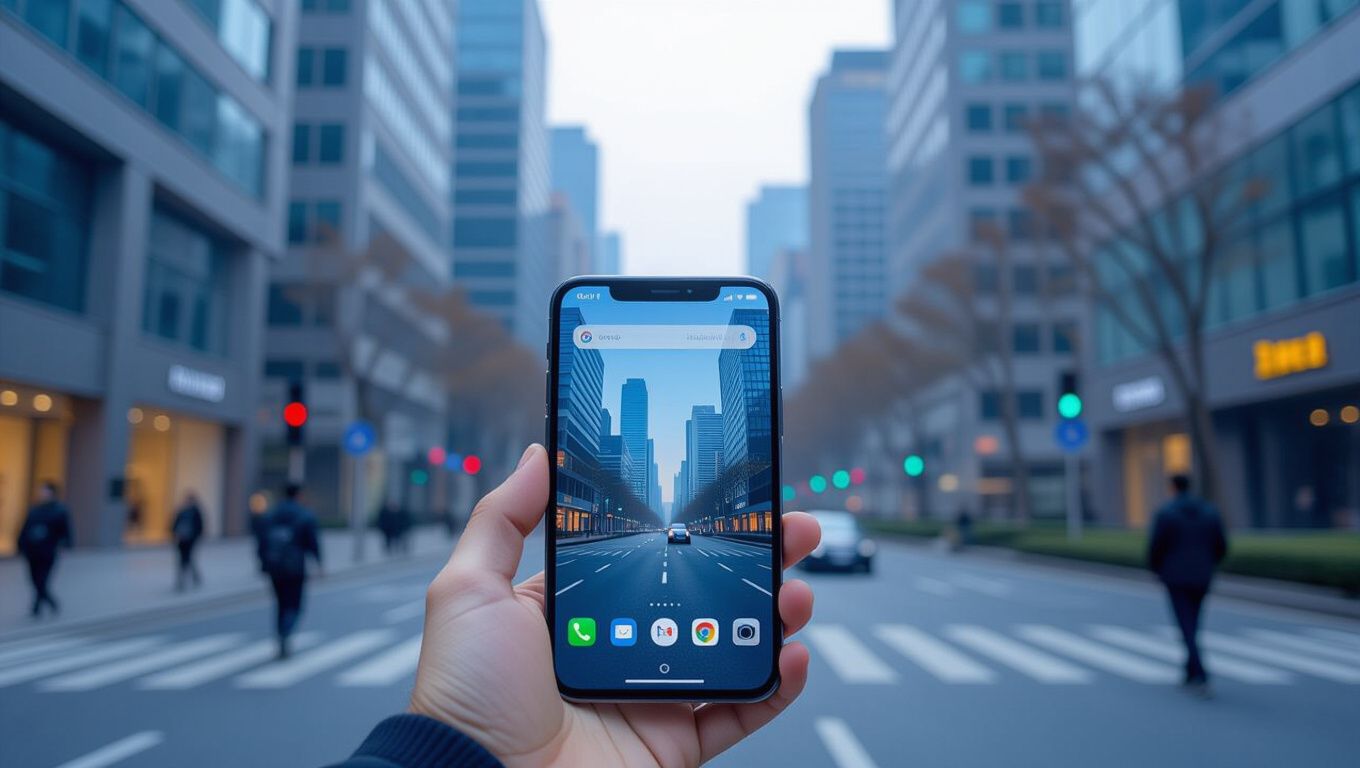
The Mobile Industry in 2025
In 2025, the mobile industry stands as a cornerstone of global technology, powering everything from everyday communication to revolutionary enterprise solutions. With over 6.8 billion mobile connections worldwide, this dynamic sector continues to evolve at breakneck speed, driven by innovations in 5G, artificial intelligence, and sustainable hardware. As consumers and businesses alike demand seamless connectivity and smarter devices, the mobile industry is reshaping economies and societies in profound ways.
Table of Contents
- Evolution of the Mobile Industry
- Key Technologies Driving the Mobile Industry
- Market Trends and Statistics in 2025
- Challenges and Future Outlook
- Conclusion
Evolution of the Mobile Industry
The mobile industry has undergone transformative changes since its inception, evolving from bulky analog phones in the 1980s to today’s sophisticated smartphones that integrate advanced technology. By 2025, this evolution reflects a shift toward ecosystem integration, where devices, software, and networks converge to deliver unparalleled user experiences. Key milestones include the widespread adoption of smartphones in the 2010s and the rollout of 4G LTE, which laid the groundwork for the current 5G era.
Major Milestones and Innovations
Over the decades, the mobile industry has seen pivotal innovations that redefined connectivity:
- 2G to 3G Transition (1990s-2000s): Introduced digital voice and basic data services, enabling SMS and mobile internet.
- Smartphone Revolution (2007 onward): Apple’s iPhone and Android’s open ecosystem democratized app-based computing.
- 5G Deployment (2020s): By 2025, 5G covers 75% of urban areas globally, supporting ultra-low latency for applications like autonomous vehicles.
A case study in this evolution is Samsung’s Galaxy Fold series, launched in 2019 and refined by 2025 into ultra-durable foldable devices with 8-inch flexible displays. These innovations highlight how the mobile industry leverages technology to push hardware boundaries.
Impact on Global Economies
The mobile industry contributes significantly to GDP, with projections from the GSMA Mobile Economy 2025 report estimating a $5.5 trillion economic impact worldwide. In emerging markets like India and Africa, mobile technology has enabled financial inclusion through services like mobile banking, serving over 1.7 billion unbanked individuals.
Key Technologies Driving the Mobile Industry
In 2025, cutting-edge technology propels the mobile industry forward, with AI, edge computing, and advanced displays at the forefront. These advancements not only enhance device performance but also enable new use cases in healthcare, gaming, and industrial IoT. Manufacturers are embedding these technologies to meet consumer demands for faster, smarter, and greener devices.
5G and Emerging 6G Networks
5G technology dominates the mobile industry in 2025, boasting download speeds averaging 500 Mbps globally. Telecom giants like Verizon and China Mobile have expanded coverage, enabling real-time applications such as remote surgery and AR shopping.
- Key benefits include reduced latency to 1ms and support for 1 million devices per square kilometer.
- Early 6G trials, promising terahertz speeds, are underway in South Korea and Europe.
For businesses, actionable advice is to invest in 5G-compatible infrastructure; for instance, adopting private 5G networks can boost manufacturing efficiency by 30%, as seen in Siemens’ smart factories.
AI and Machine Learning Integration
Artificial intelligence is ubiquitous in the mobile industry, powering features like real-time translation and predictive typing. Google’s Tensor G4 chip in Pixel 9 devices exemplifies this, offering on-device AI for photo editing without cloud dependency.
- Personalization: AI curates content feeds, improving user engagement by 25%.
- Security: Facial recognition and anomaly detection prevent 99% of unauthorized access.
- Sustainability: AI optimizes battery life, extending usage by up to 20%.
A practical tip for developers: Leverage frameworks like TensorFlow Lite to integrate AI into mobile apps, reducing development time by half.
The Mobile Industry in 2025
Foldables, Wearables, and Sustainable Hardware
Foldable smartphones now claim 15% market share, led by Huawei’s Mate XT tri-fold model. Wearables, including smart glasses from Meta and Apple, integrate health monitoring with AR overlays. Sustainability drives technology adoption, with 60% of devices using recycled materials, as in Fairphone’s modular 5 model.
Market Trends and Statistics in 2025
The mobile industry in 2025 is characterized by robust growth, with global smartphone shipments reaching 1.45 billion units, up 5% from 2024, according to IDC data. Premium segments grow fastest at 12% annually, fueled by technology like under-display cameras and 200MP sensors. Emerging trends include the rise of modular devices and subscription-based hardware models.
Market Leaders and Competition
Samsung holds 22% market share, followed by Apple at 20% and Xiaomi at 15%. In the U.S., iOS dominates with 58% penetration, while Android rules globally at 72%.
- Regional Insights: Asia-Pacific leads with 55% of shipments; Europe focuses on privacy-compliant tech.
- Case Study: Apple’s Vision Pro integration with iPhone ecosystem boosted AR adoption by 40% in enterprise settings.
Consumer Behavior and Adoption Rates
By 2025, 85% of internet traffic originates from mobile devices, per Statista. Consumers prioritize battery life (92% importance) and camera quality (87%), influencing purchases.
| Trend | 2025 Adoption Rate | Example |
|---|---|---|
| 5G Smartphones | 70% | Samsung Galaxy S25 |
| Foldables | 15% | Google Pixel Fold 2 |
| AI Features | 95% | All flagship devices |
Actionable advice for marketers: Use data analytics to target Gen Z, who favor sustainable and customizable tech, increasing conversion rates by 35%.
Revenue Streams and Monetization
App stores generate $200 billion annually, with in-app purchases leading. Telecom revenues hit $1.2 trillion, driven by 5G plans averaging $50/month.
Challenges and Future Outlook
Despite its growth, the mobile industry faces hurdles like supply chain disruptions, regulatory pressures, and e-waste concerns. In 2025, geopolitical tensions affect chip supplies, raising costs by 10%. Privacy regulations such as GDPR expansions demand robust data handling.
Addressing Key Challenges
- Supply Chain Resilience: Diversify sourcing; TSMC’s Arizona fab mitigates risks.
- Sustainability: Aim for carbon-neutral production by 2030, as pledged by OnePlus.
- Cybersecurity: Implement zero-trust models to counter rising threats, which increased 25% in 2024.
Future outlook: By 2030, 6G and quantum-secure networks will redefine the mobile industry, with satellite integration like Starlink enabling global coverage.
Strategic Recommendations
- Invest in R&D for edge AI to future-proof devices.
- Partner with telcos for bundled 5G services.
- Prioritize user-centric design for retention.
Conclusion
The mobile industry in 2025 exemplifies the pinnacle of technology innovation, interconnecting billions through smarter, faster, and more sustainable devices. From 5G’s transformative power to AI’s intelligent edge, this sector not only drives economic growth but also unlocks new possibilities in daily life and business. As challenges like sustainability and security persist, stakeholders must adapt proactively to sustain momentum.
To stay ahead in this evolving landscape, businesses should conduct regular technology audits and explore partnerships with leaders like Samsung or Google. Individuals can future-proof their careers by upskilling in mobile development via platforms like Coursera. Subscribe to industry newsletters and follow reports from IDC for the latest insights—act now to harness the mobile industry’s full potential.