About This Article
Explore how the industrial revolution reshaped economies, manufacturing, and society from 1760 onwards. Discover its lasting impact on technology and business today. Learn more below.
Understanding the Industrial Revolution
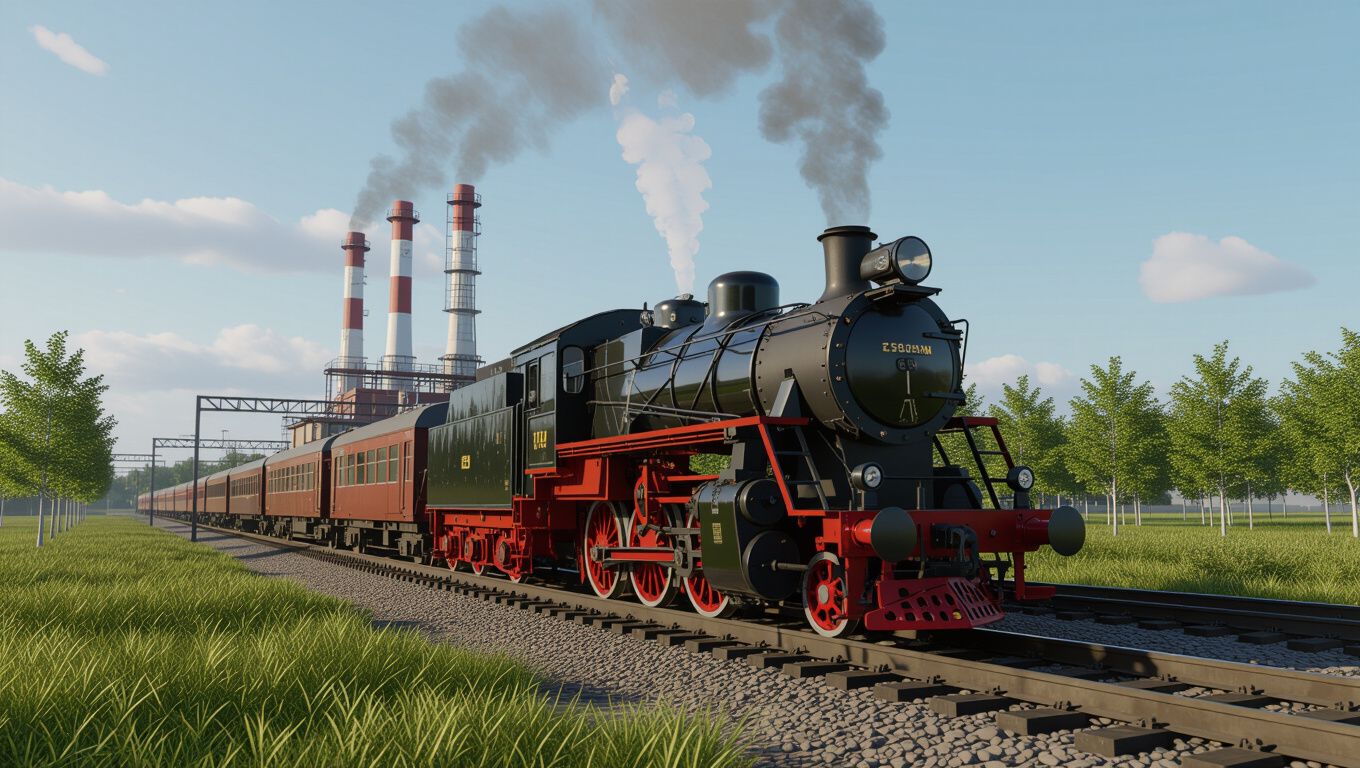
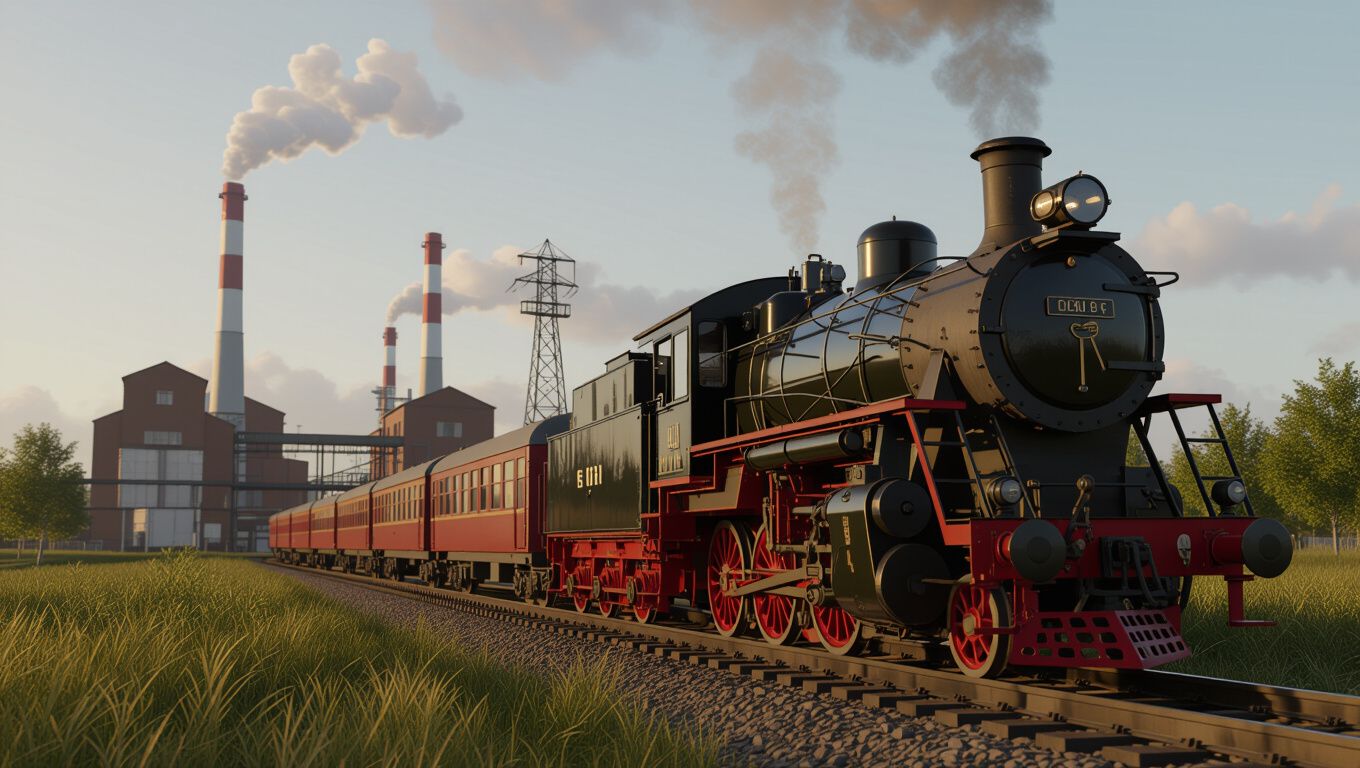
The industrial revolution marked a fundamental shift in human production, beginning around 1760 in Britain and spreading across the globe. This period witnessed the transition from agrarian, handcraft economies to machine-based manufacturing and factory systems. Between 1760 and 1840, the industrial revolution increased manufacturing output by over 300 percent, fundamentally altering how goods were produced and distributed worldwide. The revolution introduced steam power, mechanized textile production, and iron manufacturing at scales previously unimaginable.
Understanding the industrial revolution requires recognizing it as more than a technological shift. It represented a complete reorganization of labor, capital, and resources in society. Families that had worked land for centuries moved into cities to work in factories. The population of Manchester, England grew from 25,000 to over 300,000 between 1770 and 1840, demonstrating the massive migration accompanying industrial growth. This transformation created new social classes, including the industrial working class and a wealthy merchant class.
The Birth of Factory-Based Manufacturing
The industrial revolution fundamentally changed how societies organized production by replacing cottage industries with centralized factories. Before this period, most manufacturing occurred in homes or small workshops where artisans controlled the entire production process. The introduction of water-powered mills and steam engines allowed factories to process raw materials at unprecedented speeds. A single textile mill could produce more cloth in one week than a hundred hand-loom weavers could create in a year.
Key innovations drove this transformation, including the spinning jenny, water frame, and power loom. These machines reduced the skill required for production and increased output dramatically. The cotton industry became the backbone of early industrial growth, with British cotton production increasing from 3 million pounds in 1760 to 300 million pounds by 1830. Raw cotton imported from America and India was transformed into finished cloth using mechanized processes, then exported globally for enormous profits.
Steam Power and Technological Advancement
Steam power emerged as the revolutionary technology that separated the industrial revolution from all previous economic systems. James Watt’s improved steam engine, patented in 1769, provided reliable, continuous power that manufacturers could apply to various production processes. Unlike water mills that depended on geography and seasonal water availability, steam engines could be installed anywhere and operated year-round. This flexibility allowed factories to locate in cities near labor sources rather than near rivers.
The applications of steam power extended far beyond textiles. Manufacturers used steam engines to power bellows in ironworks, driving production of iron and steel to record levels. Steam-powered pumps removed water from coal mines, allowing deeper mining and increased fuel supply. By 1800, Britain’s coal production reached 15 million tons annually, providing the fuel necessary for industrial expansion. Steam power’s versatility transformed every major industry and created entirely new economic sectors based on machine production.
Why the Industrial Revolution Remains Historically Significant
The industrial revolution established patterns of technological innovation and economic growth that continue shaping modern society. It demonstrated that systematic application of machinery to production could generate unprecedented wealth and living standards for societies that embraced it. Nations that industrialized early gained competitive advantages that persisted for centuries. Britain’s early industrial dominance allowed it to build the largest global empire and control international trade routes that enriched the nation for generations.
This period also created the modern relationship between technology and economic power that remains relevant today. Countries that master new technologies gain significant advantages over competitors, just as Britain dominated the eighteenth and nineteenth centuries. Understanding the industrial revolution helps explain why nations compete for technological supremacy in areas like artificial intelligence, semiconductors, and renewable energy. The economic principles established during industrialization, mass production, efficiency optimization, and capital investment, form the foundation of modern business practices.
Creation of Modern Economic Systems
The industrial revolution created capitalism as we understand it today, with private ownership of factories, capital investment, and profit-driven expansion. Before this period, most economic activity involved agriculture, trade, or craft production under guild systems. The factory system required enormous capital investment, creating a separation between capital owners and laborers that defined modern class structures. This economic model proved so effective at generating wealth that it became the dominant system worldwide by the twentieth century.
Modern supply chains, logistics networks, and international trade systems all emerged from industrial revolution practices. Manufacturers realized they could source raw materials from distant colonies, process them in factories, and sell finished goods globally. This triangular trade pattern generated immense wealth for industrial nations while impoverishing colonized regions. Understanding how the industrial revolution created these global power imbalances remains essential for comprehending contemporary economic inequalities and trade relationships.
Mechanisms of Industrial Transformation
The industrial revolution operated through interconnected mechanisms that reinforced each other in a cycle of innovation and expansion. Capital accumulated from successful ventures funded new factories and technologies. As factories became capacity never before witnessed in human history. Investment in one sector often spurred development in supporting industries.
Labor availability provided another crucial mechanism driving industrial growth. Rural population increases meant more people available for factory work, while enclosure movements in Britain displaced agricultural workers who had no choice but to seek factory employment. Factory owners could pay workers less than independent artisans earned, creating competitive advantages that attracted capital investment. This abundant, inexpensive labor supply allowed factories to operate profitably even while paying relatively low wages, perpetuating the cycle of capital accumulation and reinvestment.
Technological Innovation Cycles
Successful technologies created demand for improvements and related innovations in a continuous cycle of advancement. When the power loom revolutionized textile production, manufacturers needed better ways to prepare yarn, leading to the spinning jenny’s development. As textile production increased, demand for iron machinery grew, spurring innovations in iron production and metalworking. These improvements required more coal, driving mining innovations. Each breakthrough created new problems that the next innovation solved, perpetuating rapid technological change.
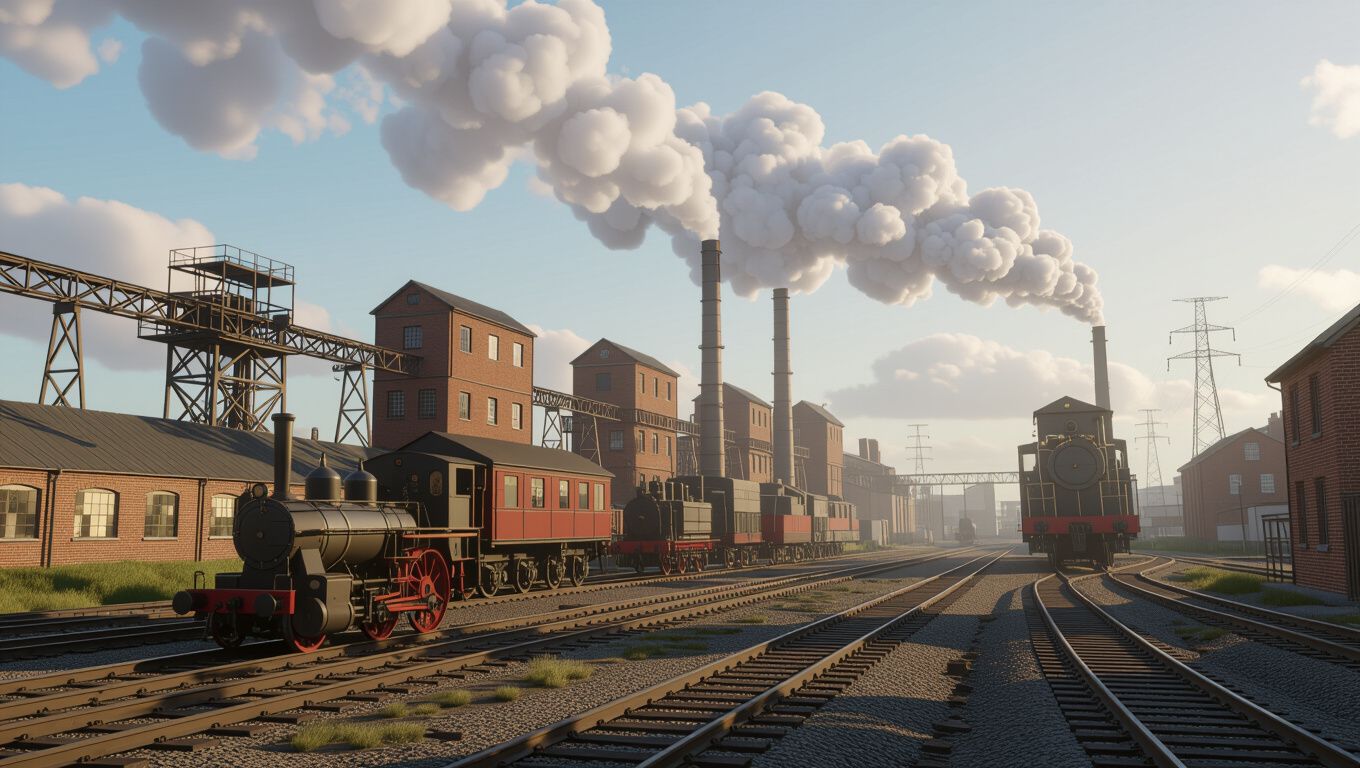
This innovation cycle continues today in semiconductor manufacturing, pharmaceutical development, and energy technology. The industrial revolution established innovation as a competitive necessity rather than an occasional occurrence. Manufacturers who failed to adopt new technologies found themselves unable to compete with more efficient producers. This competitive pressure to innovate remains the primary driver of technological advancement in modern economies. Companies that fail to innovate consistently lose market share to competitors offering superior products or lower prices.
Comparing Industrial Phases and Development
Historians divide the industrial revolution into distinct phases, each characterized by different technologies and industries. Understanding these phases clarifies how industrial development progressed and how different regions experienced industrialization at different times. The first phase emphasized textiles and steam power, the second focused on iron and steel, and later phases involved chemicals and electricity. This framework helps explain why some regions industrialized before others and why certain industries became dominant in particular locations.
Comparing these industrial phases reveals how technology accelerates over time and how each phase builds upon previous achievements. The first industrial revolution took nearly eighty years to spread from Britain to continental Europe. The second industrial revolution spread within decades as transportation improved. The third and fourth revolutions spread globally within years through digital networks. This acceleration demonstrates how technological progress compounds, with each innovation enabling faster subsequent development.
Frequently Asked Questions About Industrial Revolution
What exactly defines the industrial revolution in historical terms?
The industrial revolution represents the shift from agrarian economies to machine-based factory manufacturing, beginning around 1760.
How did the industrial revolution influence modern manufacturing practices?
Factory-based mass production, supply chain organization, and capital-intensive manufacturing all originated during the industrial revolution period.
Did the industrial revolution create social problems alongside economic benefits?
Yes, industrialization caused harsh working conditions, urban overcrowding, and pollution while generating unprecedented wealth and technological advancement.
Start Your Industrial History Learning Journey
The industrial revolution fundamentally shaped the modern world, establishing economic systems, technological practices, and global power structures that remain relevant today. Grasping how this period transformed society provides essential context for understanding contemporary business, technology, and international relations. For deeper historical understanding, explore resources like the available through academic sources.
Begin your exploration by researching specific innovations like the steam engine or textile machinery that transformed industries. Read primary sources from industrialists and workers to understand different perspectives on this transformative era. Visit educational resources like the <a href="https://www.bbc.Industrial Revolution study guide for comprehensive overviews and structured learning paths. Understanding the industrial revolution prepares you to analyze how current technological revolutions in artificial intelligence and renewable energy will reshape society in coming decades.