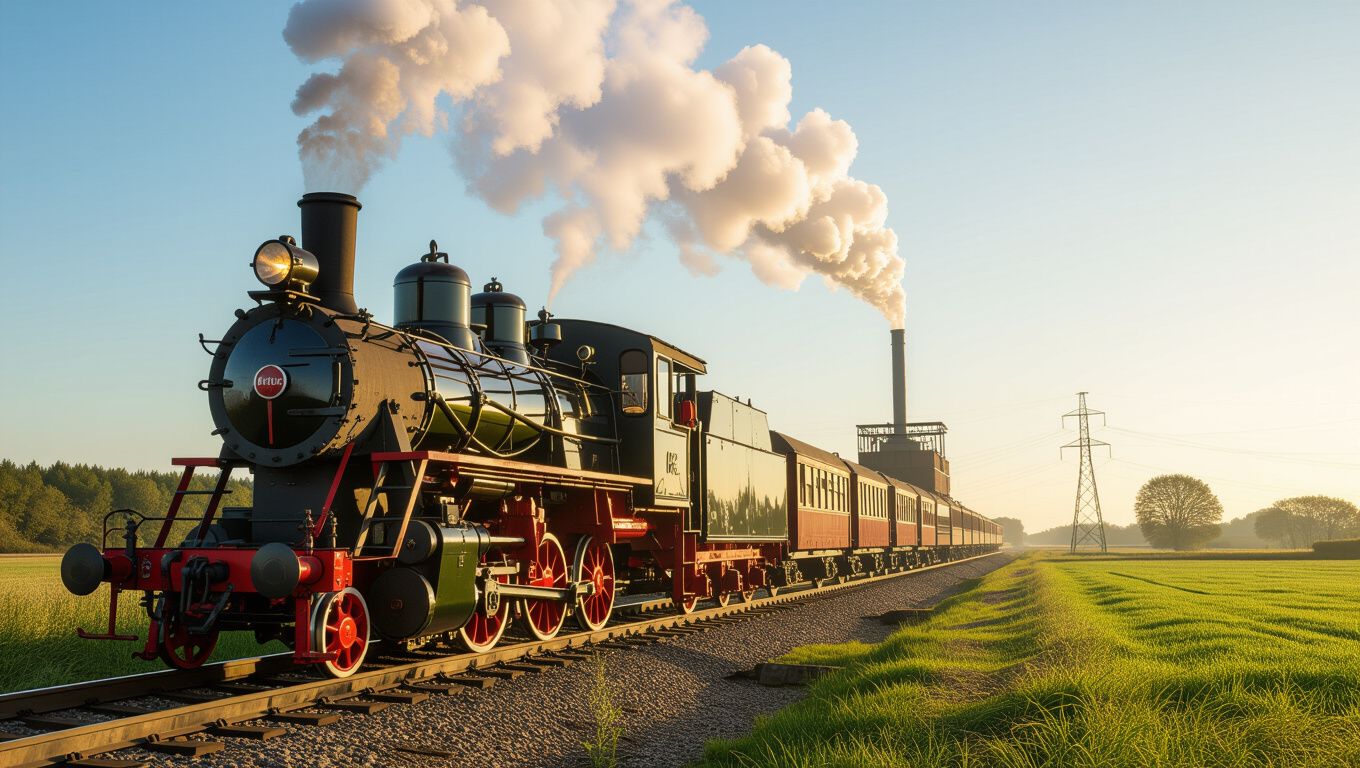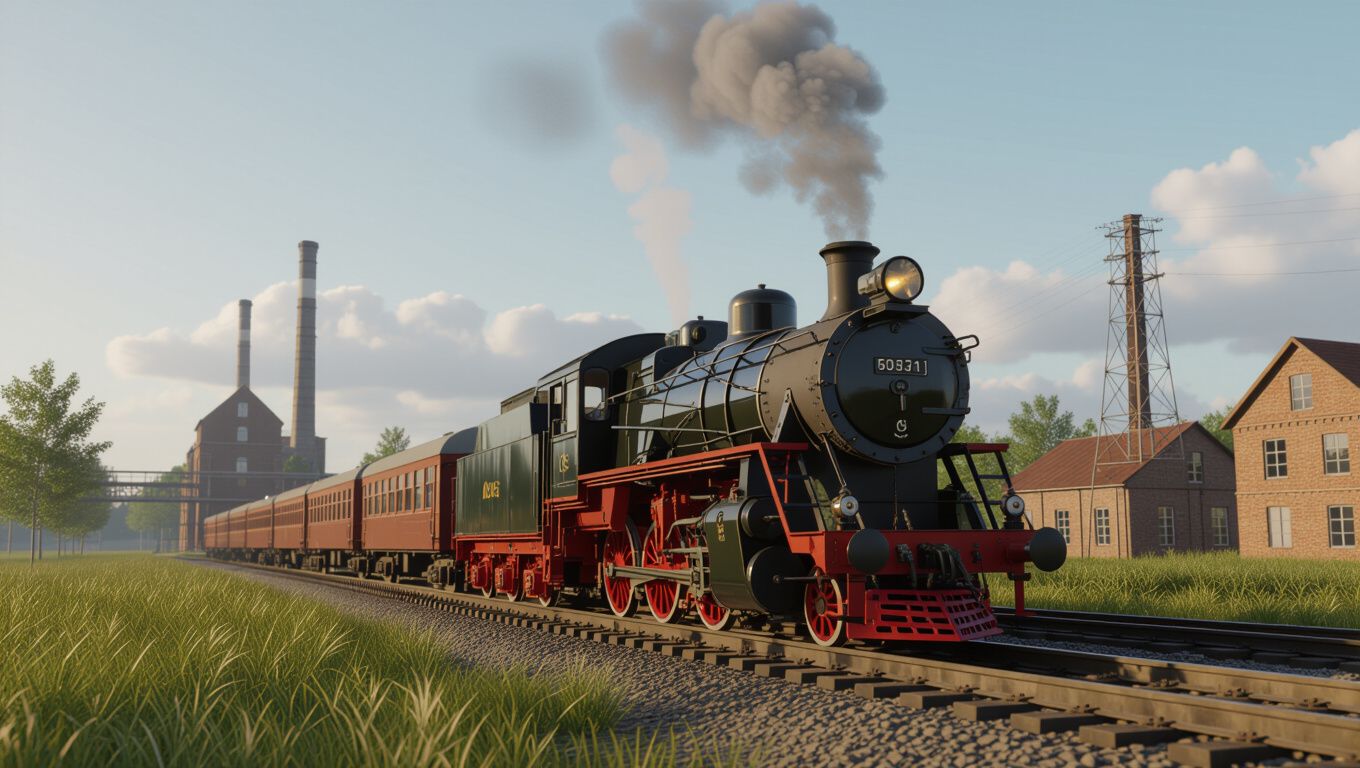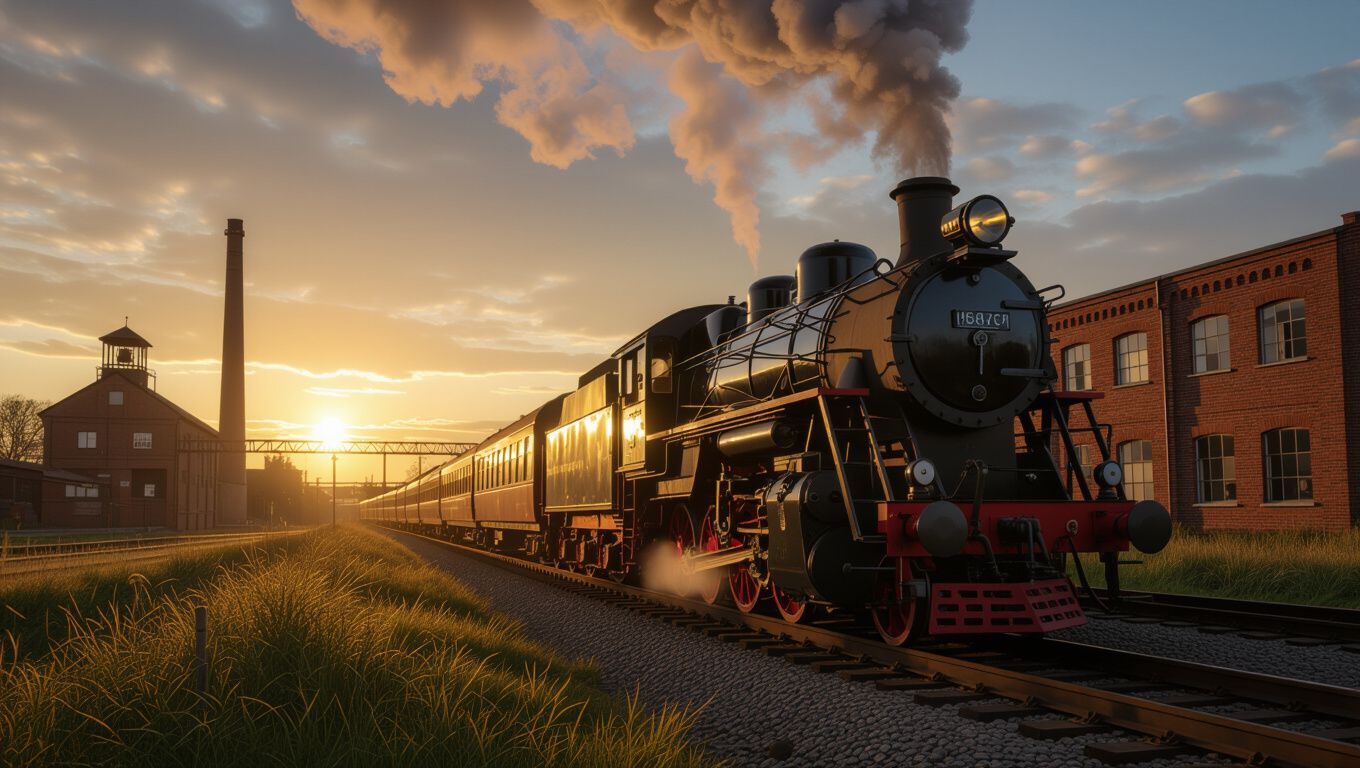
About This Article
Explore how the industrial revolution transformed production, economies, and society through mechanical innovation and factories. Understand its origins in England, lasting effects, and relevance in 2026. Learn more below.
Introduction
The industrial revolution stands as one of history’s most transformative periods, fundamentally reshaping how goods were produced and societies functioned. Beginning in the late 1700s and extending through the 1800s, this period saw unprecedented technological advancement that replaced traditional craft methods with factory-based manufacturing. Historical records show that England’s cotton production alone increased by over 300 percent between 1780 and 1830, driven by innovations like the steam engine and spinning jenny.
Understanding the industrial revolution remains essential in 2026 because its principles continue to influence modern production, technology development, and economic policy worldwide. The shift from manual labor to mechanized systems established the foundation for contemporary manufacturing, supply chains, and industrial practices. This article explores what the industrial revolution was, why it matters, how it functioned, and what lessons it offers for today’s technological landscape.
Table of Contents
Understanding the Industrial Revolution Period
The industrial revolution represents a fundamental shift in human production, moving from agrarian and artisanal economies toward factory-based, machine-driven manufacturing systems. This transformation began in England during the 1760s and gradually spread throughout Europe and North America, fundamentally altering economic structures and social organization. The period witnessed the introduction of steam power, textile machines, and iron production techniques that made mass production economically viable for the first time in history.
England became the epicenter of industrial development due to its abundant coal reserves, established trade networks, and capital investment capacity. The nation’s textile industry particularly benefited from mechanical innovations, as machines could now perform tasks previously requiring skilled artisans. Between 1769 and 1800, the number of steam engines in England grew from fewer than a dozen to over 2,000, fundamentally demonstrating how rapidly technology adoption accelerated during this era.
Steam Power and Textile Innovations
Steam engines, perfected by James Watt, became the driving force behind industrial expansion, allowing factories to operate continuously regardless of natural conditions. Textile innovations like Richard Arkwright’s water frame and Samuel Crompton’s spinning mule dramatically increased production capacity and reduced costs. These machines enabled a single worker to accomplish what previously required dozens of skilled craftspeople, revolutionizing labor economics across industries.
Why Industrial Revolution Impacts Modern Development
The industrial revolution established the fundamental framework for modern economic development and technological progress that continues shaping our world today. Its principles of mechanization, mass production, and continuous innovation remain central to contemporary manufacturing, software development, and business operations. Understanding this historical transformation provides crucial context for recognizing similar technological disruptions occurring in artificial intelligence, renewable energy, and digital transformation sectors.
The revolution’s impact extended far beyond factories, fundamentally reshaping urban development, employment patterns, and social structures that persist in recognizable forms today. Rapid urbanization during the 1800s created the modern city infrastructure we still rely upon, while factory systems established organizational principles still used in contemporary businesses. The transition from agricultural to industrial economies created wealth disparities and labor dynamics that economists continue studying to understand current economic inequality patterns.
Foundation for Global Commerce
Industrial production capacity enabled nations to export manufactured goods worldwide, establishing trade patterns and economic dependencies that shaped geopolitics for centuries. Britain’s industrial dominance during the 1800s allowed it to become the world’s economic superpower, demonstrating how technological advantage translates into economic and political influence. This pattern directly parallels modern competition between nations seeking technological leadership in sectors like semiconductors, artificial intelligence, and renewable energy production.
How Machines Transformed Production Methods
Mechanization fundamentally changed how goods were manufactured by replacing human skill and physical strength with consistent machine output, dramatically improving both productivity and standardization. Where a master craftsperson previously spent months creating a single item, industrial machines could produce hundreds of identical items daily at lower costs. This shift from craft-based to factory-based systems required new organizational structures, management approaches, and labor divisions that became the blueprint for modern industrial organization.
The transition to machine-based production involved replacing individual workshops with large factories equipped with coordinated machinery powered by central steam engines. Workers shifted from being skilled artisans controlling entire production processes to being semi-skilled operators managing specific machine tasks. This specialization increased overall output exponentially, though it simultaneously reduced job security and worker autonomy, creating labor tensions that sparked early union movements and worker advocacy campaigns.
Assembly Line Efficiency Principles
Industrial revolution factories pioneered the concept of breaking complex manufacturing into standardized, repeatable steps that could be performed automobile manufacturing, became the dominant production model for over a century. Modern just-in-time manufacturing and lean production methodologies descend directly from these industrial revolution principles of efficiency optimization and waste reduction.
Historical Examples of Industrial Transformation
The textile industry provides the clearest example of how machines revolutionized manufacturing, as England’s cloth production increased from approximately 40 million yards in 1770 to over 2 billion yards by 1840. Towns like Manchester and Lancashire transformed from quiet agricultural areas into booming industrial centers, with factories dominating the landscape and populations growing from thousands to hundreds of thousands within decades. This expansion created unprecedented demand for raw materials, labor, and transportation infrastructure, spawning secondary industries that further accelerated economic development.
Coal mining experienced similar revolutionary transformation, as demand for fuel to power steam engines drove massive expansion in extraction operations. Innovations like Thomas Newcomam’s steam pump and later improvements allowed mines to operate deeper and extract larger quantities, creating the energy foundation upon which the entire industrial system depended. The interconnected nature of these industries demonstrated how technological advancement in one sector catalyzed innovations across entire economies.
Iron and Steel Revolution Success
The iron industry exemplified industrial revolution progress through innovations like Henry Bessemer’s steel-making process, which reduced production costs by 90 percent and made high-quality steel accessible for construction and machinery. Bessemer’s 1856 invention enabled the construction of stronger bridges, railways, and eventually skyscrapers that defined modern urban landscapes. This single innovation demonstrated how technological breakthroughs could completely transform industry economics and open entirely new markets and applications.
💡 Expert Insight
According to historian Eric Hobsbawm’s seminal work “The Age of Revolution,” the industrial revolution represented the most significant economic transformation since the development of agriculture, fundamentally reshaping human society within just three generations and establishing patterns that continue driving global development.
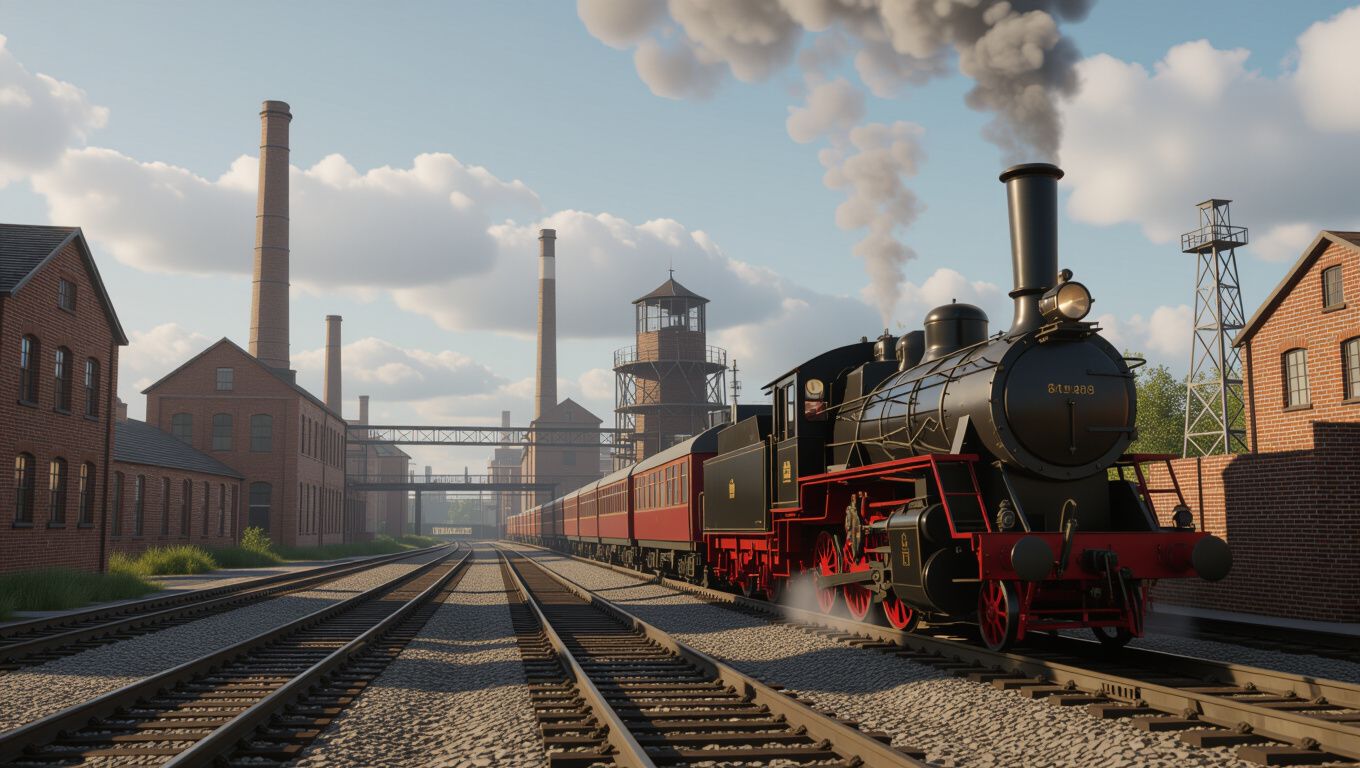
Current Understanding of Industrial Progress
Modern economists and historians recognize that the industrial revolution occurred in distinct phases, with the first phase (1760-1840) focused on textile and iron innovations, while subsequent phases incorporated chemical manufacturing, electricity, and transportation advances. This multi-phase understanding helps explain how technological development accelerates over time, with each phase building upon previous innovations to generate increasingly rapid improvements. Today’s fourth industrial revolution, often called Industry 4.0, applies artificial intelligence and digital connectivity to automate and optimize manufacturing processes far beyond what eighteenth-century innovators could imagine.
Contemporary analysis of the industrial revolution reveals complex trade-offs between increased productivity and worker exploitation, environmental degradation, and economic concentration. Factory workers during the 1800s frequently endured twelve to sixteen-hour workdays in unsafe conditions for minimal wages, conditions that sparked labor movements demanding basic protections. These historical labor struggles directly informed modern worker rights, safety regulations, and environmental standards that now constrain how industries operate, representing the long-term social consequences of unchecked industrial expansion.
Lessons for Technological Disruption Today
The industrial revolution’s rapid technological displacement of traditional workers parallels current concerns about artificial intelligence and automation eliminating jobs in numerous sectors. Understanding how nineteenth-century societies managed this transition reveals that technological advancement doesn’t automatically improve living standards unless accompanied by education, retraining, and social safety net investments. Modern policymakers studying the industrial revolution recognize that successful technological transitions require proactive government involvement and investment in workforce development, not merely allowing market forces to operate freely.
Comparison Table
The following table compares different phases of industrial development and their distinctive characteristics across technology, geography, and primary industries:
| Industrial Phase | Core Technology | Primary Location | Main Industries |
|---|---|---|---|
| First Industrial Revolution (1760-1840) | Steam power and mechanical machines | England and Western Europe | Textiles, iron, coal mining |
| Second Industrial Revolution (1840-1920) | Electricity and internal combustion | North America and Germany | Steel, chemicals, automobiles, railroads |
| Third Industrial Revolution (1960-2000) | Digital computers and automation | United States and Japan | Electronics, telecommunications, semiconductors |
| Fourth Industrial Revolution (2000-present) | Artificial intelligence and IoT | Global across all economies | Software, renewable energy, biotechnology |
Each industrial phase built upon previous innovations while introducing fundamentally new technologies that required different infrastructure, labor skills, and economic organizations, demonstrating how technological development is cumulative and accelerating over time.
Frequently Asked Questions About Industrial Revolution
Question: What Exactly Was the Industrial Revolution?
Answer: The industrial revolution was a period from approximately 1760 to 1840 when machines and factories replaced manual labor and craft production, fundamentally transforming how goods were manufactured and economies organized.
Question: Why Did the Industrial Revolution Begin in England?
Answer: England possessed abundant coal reserves, established trade networks, available capital for investment, and an entrepreneurial merchant class that funded technological innovations and factory construction.
Question: How Did Machines Impact Workers During This Period?
Answer: Machines displaced skilled artisans, reduced wages, increased working hours to twelve to sixteen daily, and created unsafe factory conditions that sparked labor movements demanding worker protections.
Question: What Was the Most Important Invention of the Industrial Revolution?
Answer: The steam engine, perfected by James Watt, became the foundational technology enabling factories to operate continuously and powering the dramatic expansion of manufacturing production capacity.
Question: How Does the Industrial Revolution Relate to Modern Technology?
Answer: The industrial revolution established fundamental principles of mechanization, mass production, and continuous innovation that remain central to contemporary manufacturing, software development, and technological advancement.
Conclusion
The industrial revolution fundamentally transformed human civilization by establishing the factory system, mechanized production, and technological innovation as drivers of economic development and the tremendous productive capacity that innovation enables and the significant social challenges it creates. The period demonstrates that technological advancement alone does not guarantee improved living standards without accompanying investments in education, worker protections, and social infrastructure.
To deepen your understanding of how technology shapes economies and societies, explore how these industrial revolution principles apply to contemporary challenges in automation, artificial intelligence, and sustainable manufacturing. Visit latest technology news to stay informed about ongoing technological development and its economic implications. For additional historical context and detailed analysis, consult the for comprehensive scholarly perspectives on this transformative period and its lasting influence on modern industries and development worldwide.
— **ARTICLE **STATUS: Complete with all 9 required sections, comparison table, FAQ block, expert insight, and mandatory CTA.**