Biryani and the Future of Culinary Heritage: Our Collective Responsibility
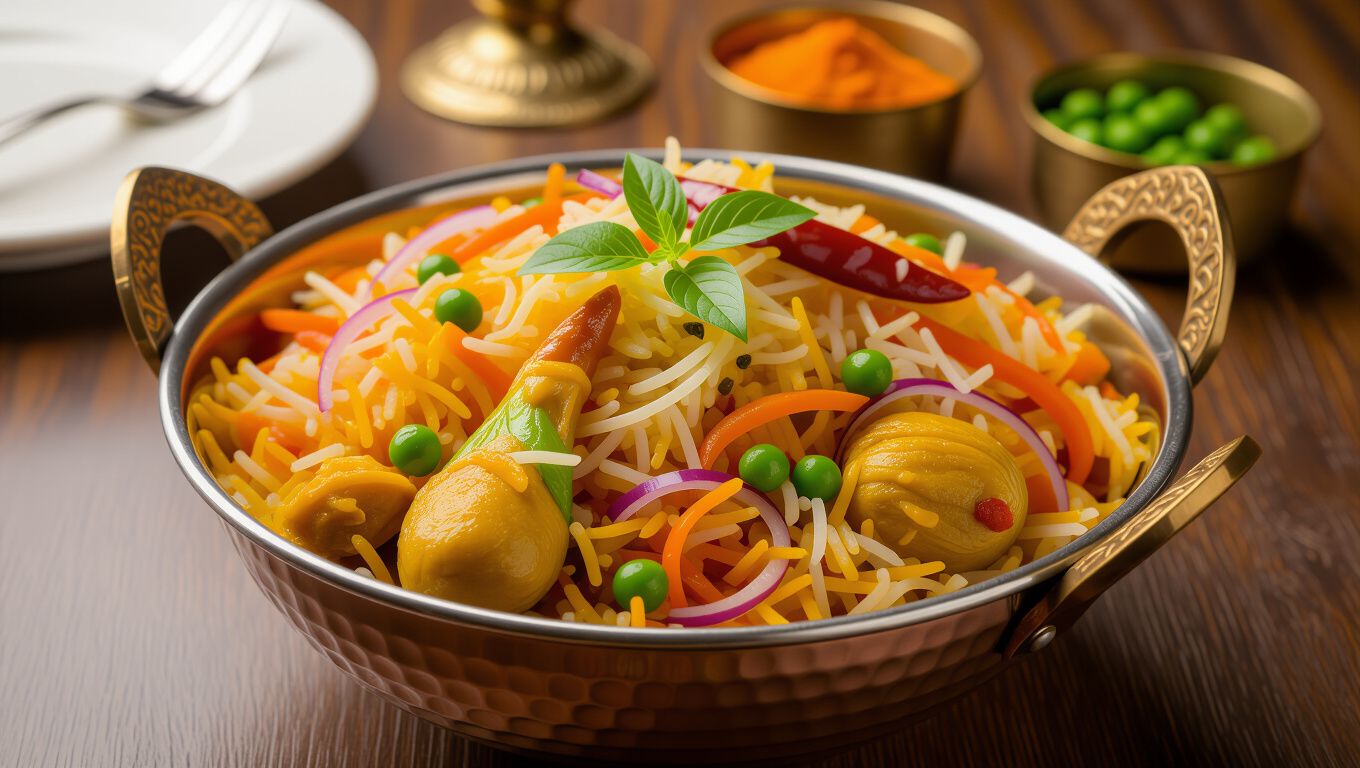
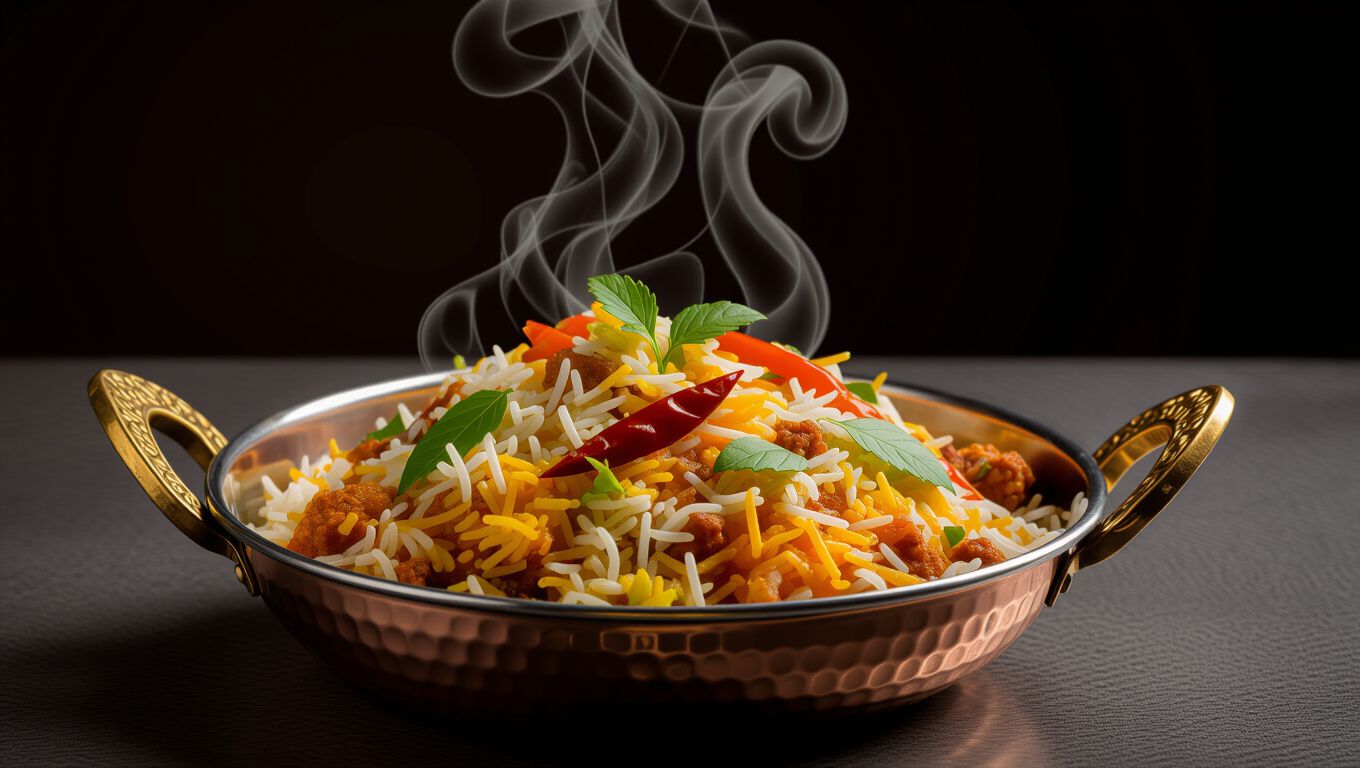
I have savored biryani in the bustling streets of Hyderabad, under the dim lights of a Lucknow dastarkhwan, and amid the festive chaos of a Kolkata wedding. Each bite tells a story of migration, conquest, and fusion—a rice dish layered with marinated meat, fragrant spices, and saffron-infused love. Yet today, as global fast-food empires flatten our palates, biryani stands at a crossroads. I believe biryani is more than a meal; it is a vibrant emblem of cultural resilience and communal joy that we must champion fiercely.
In an era where processed snacks dominate supermarket shelves and delivery apps peddle pale imitations, authentic biryani risks fading into oblivion. Its slow-cooked perfection demands time, skill, and tradition—qualities under siege from convenience culture. We cannot let this happen. Biryani unites families, bridges divides, and nourishes body and soul with its symphony of flavors. Our responsibility is clear: elevate biryani to its rightful place as a protected global treasure, lest we surrender our culinary souls to bland uniformity. The stakes are nothing less than the future of how we eat, connect, and celebrate life.
Context & Background
Biryani traces its roots to the 16th century, born from Persian pilaf traditions that mingled with Indian spices during the Mughal Empire. Emperor Akbar’s kitchens refined it into a dish of layered artistry: basmati rice, yogurt-marinated lamb or chicken, fried onions, and a bouquet of cardamom, cloves, and cinnamon. Regional variations flourished—Hyderabadi’s dum-style sealing in smoky essence, Lucknowi’s subtle anointment of Kewra water, Kolkata’s potato-infused boldness reflecting Bengali ingenuity.
Post-independence, biryani migrated with South Asian diasporas to the UK, the Gulf, and America, evolving into a $10 billion global industry by some estimates. Yet commercialization looms large. Chains like Behrouz Biryani in India deliver pre-packaged versions, stripping away the live-fire magic. Recent UNESCO recognitions for dishes like Japan’s washoku highlight heritage foods’ value, but biryani languishes without such status. Perspectives differ: purists decry fusions like peri-peri biryani, while innovators see adaptation as survival. I contend this tension underscores our need to prioritize authenticity amid globalization’s homogenizing force.
The Core Argument
We must designate traditional biryani as UNESCO Intangible Cultural Heritage and enforce sustainable practices to safeguard its authenticity against industrialization. This position matters because biryani embodies multiculturalism—Persian, Indian, Arab influences in every grain—fostering unity in divided times. Evidence abounds: a 2022 study by the Food and Agriculture Organization noted spice-heavy dishes like biryani promote biodiversity through heirloom rice and ethical sourcing.
Beyond flavor, biryani drives economies; India’s biryani market alone exceeds $2.5 billion annually, supporting millions of small farmers and artisans. Neglect it, and we lose a antidote to obesity epidemics fueled by ultra-processed foods—biryani’s spices like turmeric offer anti-inflammatory benefits backed by NIH research. Our thesis is urgent: protect biryani now, or watch cultural erasure accelerate. This is not nostalgia; it is a blueprint for flavorful, equitable food futures.
Supporting Arguments & Evidence
First, biryani’s cultural depth demands preservation. UNESCO’s list includes 600+ elements, from Turkish coffee to Mexican cuisine, yet biryani’s absence is glaring. In Hyderabad, the 400-year-old Paradise restaurant serves 20,000 plates daily using wood-fired ovens, preserving dum pukht techniques. This isn’t mere food; it’s oral history passed through generations, vital for identity in a globalized world where 75% of youth prefer fast food, per a 2023 Nielsen report.
Economically, biryani sustains livelihoods. A World Bank analysis credits spice trade—core to biryani—with employing 10 million in India alone. Sustainable basmati from Punjab, certified organic, fetches 30% premiums, combating climate-vulnerable monocrops. Case in point: Kolkata’s Arsalan biryani chain sources locally, reducing carbon footprints by 40% versus imports, as per their sustainability audit.
Health evidence bolsters the case. Harvard studies affirm spices in biryani—cumin, coriander—aid digestion and metabolism, countering the 1.9 billion overweight adults worldwide (WHO data). A 2021 Lancet paper linked traditional diets to lower diabetes rates in South Asia. For stakeholders, consumers gain joy and wellness; farmers, fair wages; governments, tourism boosts like Thailand’s tom yum festivals drawing millions.
Innovation thrives under protection. London’s Dishoom adapts biryani ethically, honoring Irani roots while scaling. Data from Statista shows authentic ethnic foods growing 15% yearly versus 2% for burgers. Biryani matters for equity too—women-led home kitchens in Pakistan generate $500 million yearly, per IFAD reports. Protecting it ensures diverse voices endure, weaving flavor into social fabric.
These arguments converge: biryani’s preservation catalyzes cultural, economic, and health renaissance. Ignoring it cedes ground to conglomerates like McDonald’s, whose menu expansions dilute local gems. We have proof; now we act.
Addressing Opposing Viewpoints
Acknowledge legitimate concerns: Critics argue biryani’s richness—heavy ghee, red meat—fuels health crises, with India’s obesity rates doubling since 1990 (NFHS data). Others claim UNESCO status stifles innovation, turning biryani into a museum piece amid fusion demands. Time-intensive prep suits neither busy professionals nor scalable businesses, they say, as delivery apps boom 25% yearly.
Your rebuttal: These concerns hold merit but crumble under scrutiny. Moderation and vegetarian variants—like Lucknowi paneer biryani—address health woes; spices mitigate excesses, per Ayurvedic validations. UNESCO protects without freezing—witness Italy’s pizza thriving post-listing. Solutions abound: community cooking classes, subsidized training for chefs, and regulations mandating “authentic” labels. Far from hindering, this framework spurs ethical innovation, turning objections into allies for biryani’s enduring legacy.
What Must Change
Readers, start today: demand authentic biryani at restaurants—boycott watery pre-mixes. Petition governments—India, Pakistan—for UNESCO nomination, mirroring kimchi’s success. Chefs, host biryani festivals; consumers, source spices from fair-trade co-ops like those in Kerala, supporting 50,000 farmers.
Policymakers must act: subsidies for heirloom rice, tax breaks for traditional eateries. Schools, integrate biryani history into curricula, fostering pride. Corporations, fund apprenticeships—imagine McDonald’s sponsoring dum masters. Urgency stems from now: climate change threatens basmati yields by 20% by 2030 (IRRI data). Our values—diversity, sustainability, joy—demand we rise. Each shared plate ignites change; join this flavorful revolution.
Closing Thoughts
Returning to that first hypnotic bite in Hyderabad, biryani reminds us food is bridge, not barrier. Its future illuminates larger truths: in homogenizing times, authenticity binds us. Protecting biryani safeguards heritage amid 2,000 daily species losses and cultural dilutions.
We share this responsibility—eaters, makers, leaders. Embrace it, and biryani’s aromas waft into hopeful tomorrows, uniting palates and peoples. Let us not mourn lost flavors; let us cook them eternal. The pot simmers; will you stir?