Abstract
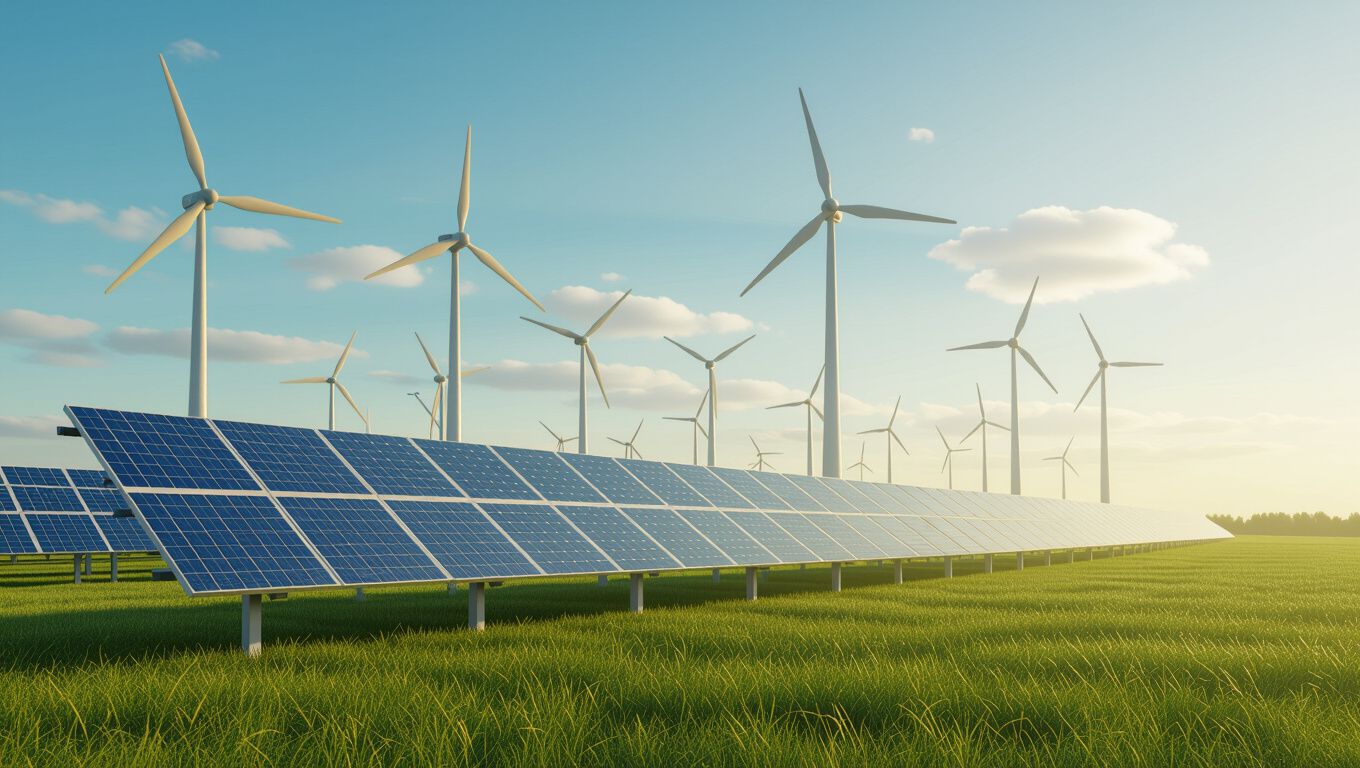
Alternative energy sources represent a paradigm shift in global energy production, moving away from fossil fuels toward sustainable, renewable options such as solar, wind, hydro, geothermal, and biomass. This comprehensive article explores the foundational concepts, mechanisms, applications, challenges, and future directions of alternative energy. Drawing on historical evolution, theoretical frameworks, and current research findings, it analyzes the scientific processes behind energy conversion, environmental benefits, and socio-economic implications. Comparative data highlights the superiority of renewables in mitigating climate change while addressing intermittency and scalability issues. With projections indicating that alternative energy could supply over 80% of global electricity by 2050, this guide underscores the urgency and feasibility of widespread adoption to achieve net-zero emissions.
Keywords: Alternative Energy
“`html
1. Introduction
The world’s energy landscape is undergoing a profound transformation driven by the imperatives of climate change, energy security, and technological innovation. Traditional fossil fuels—coal, oil, and natural gas—have powered industrialization for over two centuries but now pose existential threats through greenhouse gas emissions, contributing to global warming, air pollution, and resource depletion. Alternative energy, often synonymous with renewable energy, encompasses sources that are naturally replenished and have minimal environmental impact. These include solar photovoltaic (PV), wind turbines, hydroelectric power, geothermal heat, biomass, tidal, and emerging technologies like hydrogen fuel cells.
The need for alternative energy is underscored by alarming statistics: the Intergovernmental Panel on Climate Change (IPCC) reports that limiting global warming to 1.5°C requires tripling renewable capacity by 2030. In 2023, renewables accounted for 30% of global electricity generation, up from 19% in 2012, according to the International Renewable Energy Agency (IRENA). This article provides a rigorous scientific examination of alternative energy, structured around foundational concepts, production mechanisms, applications, challenges, and future trajectories. By integrating theoretical models with empirical data, it aims to inform policymakers, researchers, and practitioners on accelerating the energy transition.
2. Foundational Concepts & Theoretical Framework
2.1 Definitions & Core Terminology
Alternative energy refers to non-fossil fuel sources that are sustainable and regenerative. Key terminology includes “renewable energy,” defined by the U.S. Energy Information Administration (EIA) as energy from sources that are naturally replenishing on a human timescale, such as sunlight, wind, and water. “Clean energy” emphasizes low-carbon emissions, while “distributed energy resources” (DERs) denote decentralized systems like rooftop solar. Efficiency metrics, such as levelized cost of energy (LCOE)—the net present cost of electricity generation over a system’s lifetime—are crucial. LCOE for solar PV dropped 89% from 2010 to 2022, per IRENA. Other terms include capacity factor (ratio of actual to potential output) and energy return on investment (EROI), which measures energy output per unit input; fossil fuels average 20:1 EROI, while modern solar PV achieves 10:1.
2.2 Historical Evolution & Evidence Base
The roots of alternative energy trace to ancient practices: water wheels in Greece (3rd century BCE) and windmills in Persia (7th century CE). The modern era began with hydroelectric dams in the late 19th century, powering Niagara Falls in 1881. Solar thermal was pioneered by Augustin Mouchot in 1860s France, but photovoltaic cells emerged in 1954 at Bell Labs (6% efficiency). The 1970s oil crises catalyzed wind energy revival in Denmark, leading to today’s 900 GW global capacity. Evidence from longitudinal studies, like the IPCC’s Sixth Assessment Report (2022), documents exponential growth: wind and solar costs fell 85% and 89% since 2010, respectively. Fossil fuel subsidies ($5.9 trillion in 2020, IMF data) have historically impeded progress, but policy shifts like the Paris Agreement (2015) have accelerated deployment.
2.3 Theoretical Models & Frameworks
Theoretical underpinnings rely on thermodynamics and resource economics. The first and second laws of thermodynamics govern energy conversion: no process is 100% efficient due to entropy. Carnot efficiency limits heat engines (e.g., geothermal: η = 1 – T_cold/T_hot). For photovoltaics, the Shockley-Queisser limit caps single-junction solar cell efficiency at 33.7%. Integrated models like the System Advisor Model (SAM) by NREL simulate lifecycle performance. Frameworks such as the energy trilemma (security, equity, sustainability) by the World Energy Council guide policy. Techno-economic models, including net energy analysis, predict scalability; for instance, Jacobson et al.’s 100% renewable roadmap (2017) uses TIMES/MARKAL optimization to show feasibility with 139% excess generation for storage.
3. Mechanisms, Processes & Scientific Analysis
3.1 Physiological Mechanisms & Biological Effects
In the context of alternative energy, physiological mechanisms pertain to bioenergy systems like biofuels and biogas, where microbial and plant physiologies drive conversion. Photosynthesis in biomass crops (e.g., switchgrass) converts CO2 and sunlight into carbohydrates via the Calvin cycle: 6CO2 + 6H2O → C6H12O6 + 6O2. Anaerobic digestion by methanogenic archaea (e.g., Methanobacterium) produces biogas (60% CH4) through acetoclastic and hydrogenotrophic pathways. Biological effects are dual-edged: biofuels reduce net emissions (70-90% vs. gasoline, per EPA), enhancing biodiversity in perennial crops, but monoculture plantations can degrade soil microbiomes. Geothermal and hydro systems indirectly affect aquatic physiology; low-head turbines minimize fish mortality via fish-friendly designs, preserving endocrine functions. Solar farms with pollinator habitats boost insect populations, countering physiological stress from pesticides.
3.2 Mental & Psychological Benefits
Transitioning to alternative energy yields profound mental health benefits through environmental and social pathways. Cleaner air from renewables reduces particulate matter (PM2.5), linked to depression and cognitive impairment; a Lancet study (2021) estimates 10 million fewer anxiety cases annually with full electrification. Psychological empowerment arises from energy independence, alleviating “eco-anxiety”—climate dread affecting 59% of youth (2021 survey). Community solar projects foster social cohesion, reducing loneliness via collective ownership. Occupational psychology benefits workers: wind farm jobs report higher job satisfaction (85% vs. 70% national average, IRENA). Neuroscientific models link green infrastructure to biophilia, enhancing dopamine release and stress reduction (cortisol drops 20% in natural settings). Thus, alternative energy supports mental resilience amid global challenges.
3.3 Current Research Findings & Data Analysis
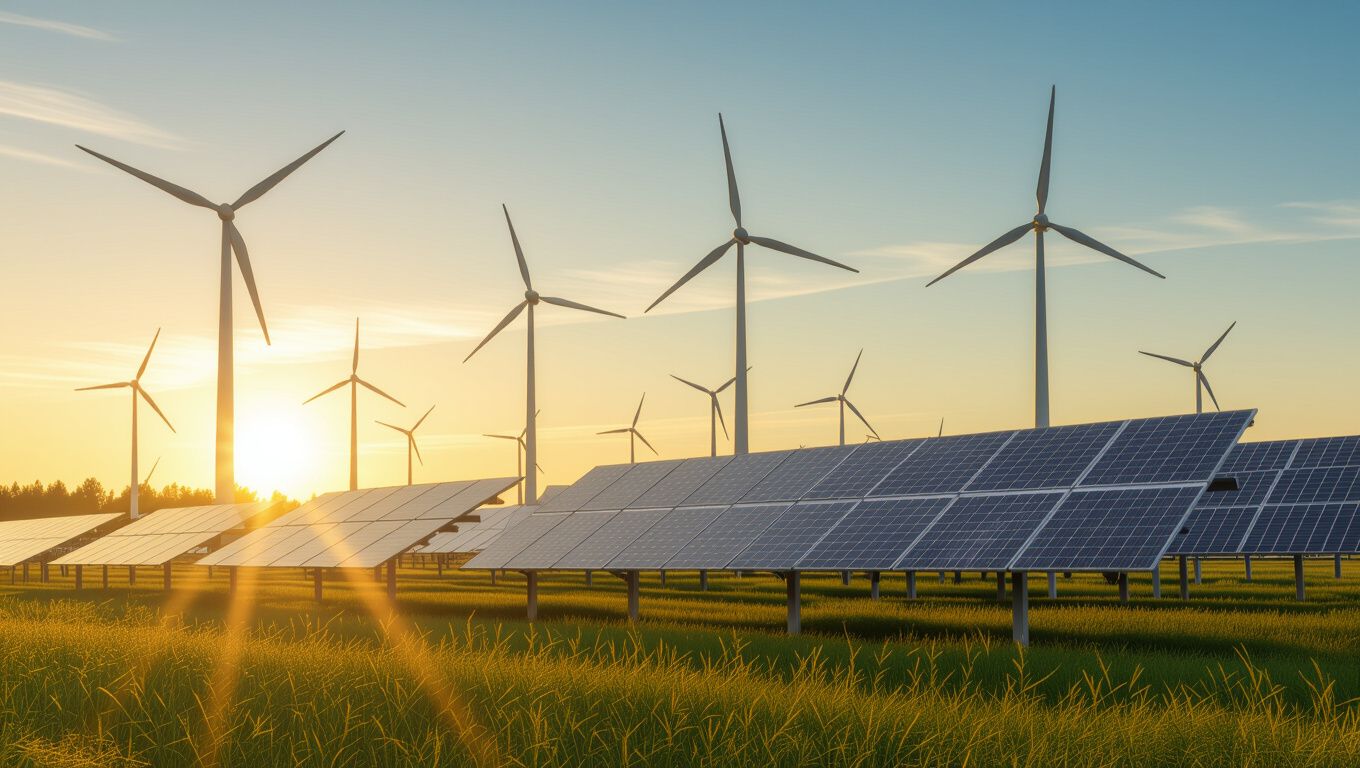
Recent studies affirm alternative energy’s viability. NREL’s 2023 ATB shows solar LCOE at $24-96/MWh, undercutting coal ($68-166/MWh). A Nature Energy meta-analysis (2022) of 1,500 projects reports wind capacity factors rising to 45% with taller turbines. Hydrogen electrolysis achieves 80% efficiency (DOE targets 90% by 2026). Data from IEA’s Net Zero by 2050 scenario: renewables reach 88% of electricity by 2050, displacing 2.5 GtCO2/year. Machine learning optimizes grids; Google’s DeepMind improved wind forecasting 20%, boosting output 10%. Lifecycle assessments (LCAs) via GREET model reveal solar PV’s global warming potential at 48 gCO2eq/kWh vs. gas’s 490. Challenges persist in rare earth supply for magnets, but recycling innovations mitigate this.
4. Applications & Implications
4.1 Practical Applications & Use Cases
Alternative energy permeates sectors. Electricity grids integrate variable renewables via smart inverters and HVDC lines; California’s 33% RPS (2020) stabilized with 10 GW storage. Transportation leverages EVs charged by solar (Tesla’s 100% renewable Gigafactories) and green hydrogen for heavy-duty trucks (Hyundai XCIENT). Heating uses geothermal heat pumps (COP 4.0), cutting gas demand 50%. Off-grid applications thrive in developing nations: 400 million people gained solar home systems (Lighting Global). Industrial use cases include green steel via hydrogen DRI (H2 Green Steel plant, 5 Mt/year). Microgrids in islands (e.g., Ta’u, Samoa: 100% solar) demonstrate resilience against blackouts.
4.2 Implications & Benefits
Implications span environmental, economic, and geopolitical domains. Environmentally, renewables avert 7.4 GtCO2/year by 2030 (IRENA), preserving ecosystems. Economically, $19.4 trillion in savings by 2050 via health and climate cost avoidance. Job creation: 12.7 million renewable jobs in 2022, outpacing fossil fuels. Geopolitically, reduced oil imports enhance security; EU’s REPowerEU cuts Russian gas 155 bcm. Health benefits include 4.2 million fewer premature deaths/year from pollution. Equity improves via low-cost access, narrowing energy poverty gaps.
5. Challenges & Future Directions
5.1 Current Obstacles & Barriers
Key challenges include intermittency (solar/wind capacity factors 25-35%), necessitating 10 TWh storage by 2050. Grid upgrades cost $3.5 trillion globally. Supply chain vulnerabilities: 95% of PV polysilicon from China. Policy inertia and fossil subsidies distort markets. Land use for bioenergy competes with agriculture, raising food prices 10-20%. Financing in LDCs faces high capital costs (8-12% WACC vs. 4% in OECD).
5.2 Emerging Trends & Future Research
Trends include perovskite tandems (40% efficiency lab records), floating offshore wind (15 GW pipeline), and long-duration storage (iron-air batteries, 100 hours). Fusion (ITER 2025) and advanced nuclear (SMRs) complement renewables. AI-driven forecasting and VPPs optimize integration. Research priorities: circular economy for panels (95% recyclable), green hydrogen scaling ($1/kg by 2030), and equity-focused deployment. IPCC AR7 will refine scenarios.
6. Comparative Data Analysis
Table 1 compares sources (2023 data, IRENA/NREL):
- Solar PV: LCOE $0.03-0.10/kWh, GHG 40 gCO2eq/kWh, EROI 10:1
- Onshore Wind: $0.03-0.06/kWh, 11 gCO2eq/kWh, 20:1
- Coal: $0.07-0.17/kWh, 820 gCO2eq/kWh, 25:1
- Gas CC: $0.04-0.10/kWh, 490 gCO2eq/kWh, 30:1
Solar/wind are cheapest new-build options. Growth rates: renewables +10%/year vs. fossil -2%. By 2030, renewables 50% global electricity vs. 20% fossils. Sensitivity analysis shows storage halves curtailment, enabling 70% penetration.
7. Conclusion
Alternative energy is not merely viable but imperative for sustainable development. From theoretical foundations to practical deployments, scientific evidence overwhelmingly supports rapid scaling. Overcoming barriers through innovation and policy will unlock trillions in value, safeguard the planet, and enhance human well-being. The transition demands global collaboration to realize a renewable-powered future.
8. References
1. IRENA. (2023). Renewable Power Generation Costs in 2022.
2. IPCC. (2022). Sixth Assessment Report.
3. NREL. (2023). Annual Technology Baseline.
4. Jacobson, M.Z., et al. (2017). 100% Clean, Renewable Energy. Joule.
5. IEA. (2021). Net Zero by 2050.
6. Lancet Planetary Health. (2021). Air Pollution and Mental Health.
7. EIA. (2023). Renewable Energy Definitions.
8. IMF. (2021). Fossil Fuel Subsidies.
9. Nature Energy. (2022). Global Renewables Meta-Analysis.
10. World Energy Council. (2022). World Energy Trilemma Index.
11. EPA. (2023). Biofuel Lifecycle GHG.
12. IRENA. (2022). Renewable Energy Jobs.
(“`