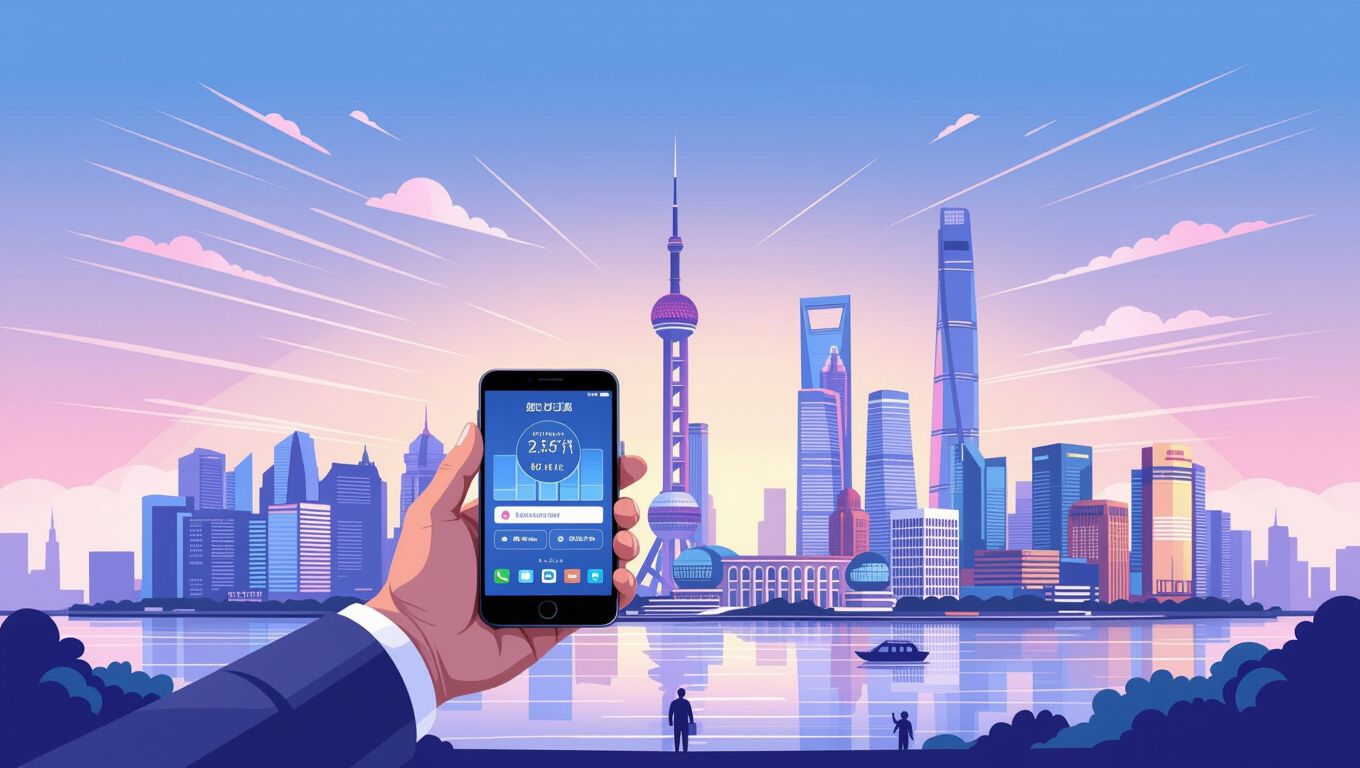
China stands at the forefront of global technology, with its mobile sector driving economic growth and technological advancement. The mobile industry in China encompasses smartphone manufacturing, telecommunications infrastructure, and a vast ecosystem of applications that serve over 1.2 billion users. Companies like Huawei, Xiaomi, and Oppo have transformed everyday devices into powerful tools for communication, commerce, and entertainment.
This sector thrives on rapid innovation and massive scale. Government initiatives such as Made in China 2025 have fueled investments in 5G networks and artificial intelligence integration within mobile devices. Consumers benefit from affordable, feature-rich smartphones that compete on the world stage, while businesses leverage mobile platforms for digital transformation.
Understanding the dynamics of this industry reveals opportunities for global players. From foldable screens to advanced camera systems, Chinese firms lead in hardware breakthroughs. The workforce, composed of multitalented people skilled in engineering, design, and software development, powers this relentless progress.
1. Introduction
The mobile industry in China traces its roots to the early 2000s when domestic firms began challenging foreign giants. Nokia and Motorola dominated initially, but local companies like Huawei entered with cost-effective feature phones. By 2010, smartphones reshaped the landscape as Android adoption surged, enabling Chinese brands to customize devices for local preferences.
Key concepts include the vertically integrated supply chain, where companies control design, manufacturing, and distribution. Shenzhen serves as the global hub, with Foxconn and other factories producing billions of units annually. Telecommunications giants like China Mobile, with over 950 million subscribers, form the backbone, deploying the world’s largest 5G network boasting more than 2 million base stations as of 2023.
Government policies play a pivotal role. Subsidies for R&D and mandates for domestic technology use have nurtured homegrown innovation. Multitalented people in research labs develop chips like Huawei’s Kirin series, reducing reliance on foreign semiconductors. This foundation supports an ecosystem where hardware meets software seamlessly.
1.1 Historical Milestones
In 2003, Lenovo acquired IBM’s PC division, marking early consolidation. The 2010s saw Xiaomi’s launch with its online-only model, disrupting pricing. By 2015, Oppo and Vivo captured mid-range markets through aggressive marketing and camera innovations.
These milestones highlight adaptability. Firms pivoted from copycats to leaders, filing over 40% of global 5G patents. Multitalented people transitioned from assembly lines to AI specialists, embodying the industry’s evolution.
1.2 Major Players
Huawei leads in premium segments with HarmonyOS, an alternative to Android. Xiaomi emphasizes value with devices like the Mi series, shipping 153 million units in 2022. OPPO focuses on imaging, while Vivo targets youth with fun features.
Software complements hardware. Tencent’s WeChat integrates payments and social networking, serving 1.3 billion users. Alibaba’s Alipay powers mobile commerce, processing trillions in transactions yearly.
This interplay defines core concepts. Multitalented people across these firms drive cross-disciplinary projects, from battery tech to AR applications.
2. Foundation & Overview
One primary advantage lies in market scale. China’s 1.6 billion mobile connections dwarf other nations, providing unparalleled testing grounds for new features. This volume enables economies of scale, with average smartphone prices below $200, accessible to emerging markets globally.
Innovation cycles accelerate due to fierce competition. Firms release updates monthly, incorporating user feedback instantly. Multitalented people handle multiple roles, from prototyping to marketing, shortening development from years to months.
Supply chain efficiency stands out. Proximity of suppliers in the Pearl River Delta cuts logistics costs by 30%. Advanced automation in factories boosts yields, with Huawei achieving 99% chip production rates despite challenges.
2.1 Economic Impact
The sector contributes 5% to GDP, employing 10 million directly. Exports reached $150 billion in 2022. Rural digitalization via affordable 5G connects farmers to markets, enhancing productivity.
Multitalented people fuel job creation. Engineers versed in hardware and software migrate between firms, spreading expertise.
2.2 Consumer Advantages
Devices offer long battery life, up to two days on single charge. Fast charging hits 120W, fully powering phones in 15 minutes. Cameras rival DSLRs with 200MP sensors and AI enhancements.
Customization thrives. Themes, launchers, and apps tailor experiences. Multitalented developers create hyper-local content, from dialect voice assistants to regional e-commerce integrations.
Global reach benefits partners. Xiaomi sells in 100 countries, adapting products swiftly.
3. Key Benefits & Advantages
The ecosystem operates through layered integration. At the base, chipmakers like HiSilicon supply SoCs optimized for AI tasks. Assemblers integrate displays from BOE, now rivaling Samsung in OLED quality.
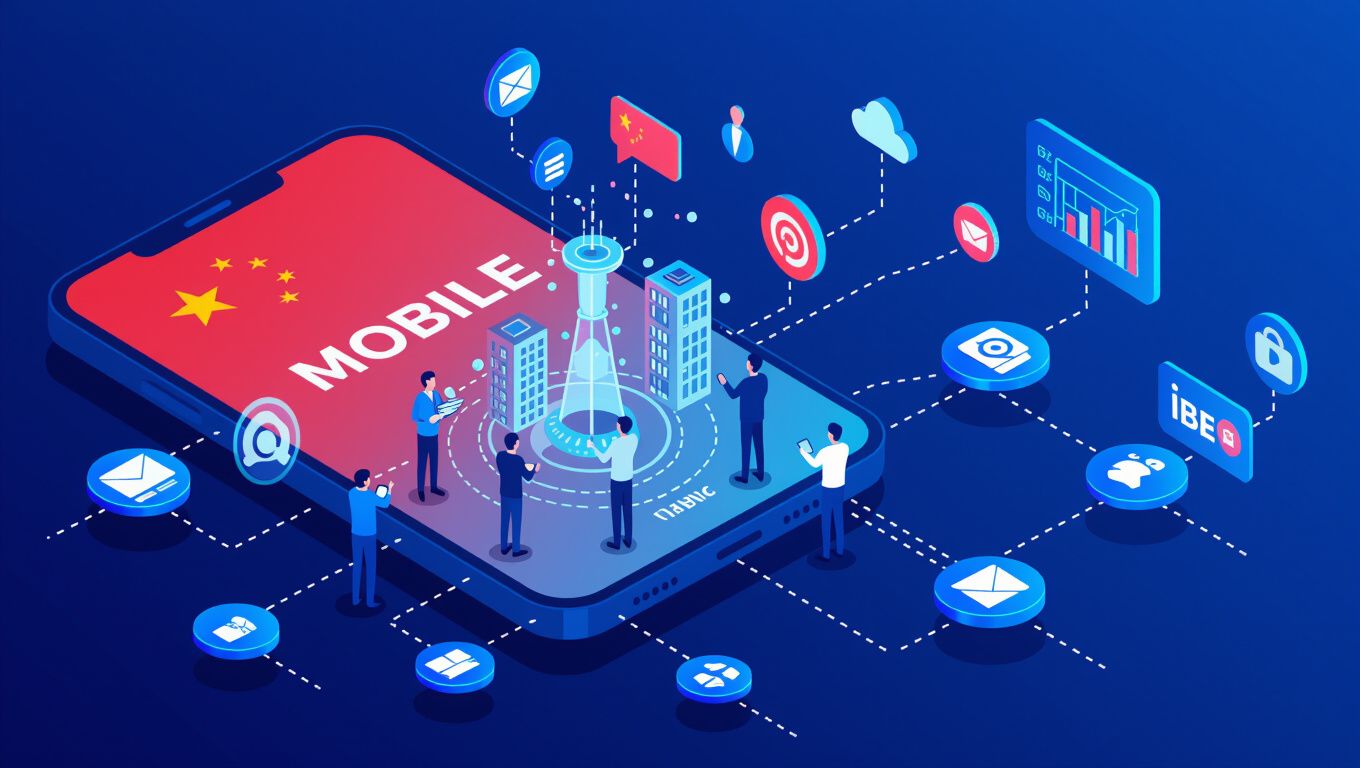
5G deployment exemplifies efficiency. China built 700,000 stations in 2020 alone, covering 90% of urban areas. Speeds average 300Mbps, enabling AR shopping and remote surgery trials.
Software layers unify hardware. HarmonyOS synchronizes devices, from phones to cars. Multitalented people code cross-platform apps, reducing fragmentation.
3.1 Supply Chain Mechanics
Design phases involve rapid prototyping. Shenzhen markets source components overnight. Testing labs simulate global conditions, ensuring durability.
Logistics use high-speed rail for intra-China delivery. Overseas, Belt and Road ports facilitate exports.
3.2 Innovation Pipeline
R&D spends exceed $20 billion yearly across top firms. Universities like Tsinghua produce graduates who join labs immediately. Patents filed weekly cover foldables, under-display cameras.
AI integration analyzes usage patterns for predictive features. Multitalented teams collaborate via cloud platforms, accelerating iterations.
Monetization blends hardware sales with services. Xiaomi earns 50% from IoT and internet revenue.
4. Detailed Analysis & Mechanisms
Compared to the US, China’s industry prioritizes volume over margins. Apple commands premiums with iOS exclusivity, while Xiaomi floods markets with $300 flagships matching specs. Samsung competes in foldables, but Oppo’s Find N2 flips thinner at lower cost.
In Europe, regulatory hurdles slow 5G, unlike China’s swift rollout. Huawei’s base stations outnumber Nokia’s deployments globally.
Real examples illustrate strengths. Huawei’s Mate 60 bypassed sanctions with 7nm chips, showcasing domestic foundry advances. Xiaomi’s 14 series integrates Leica optics, outselling Pixels in Asia.
4.1 Versus Global Leaders
Apple ships 230 million iPhones yearly versus Huawei’s 240 million all-products. Ecosystem lock-in favors Apple, but Android flexibility aids China.
South Korea excels in memory chips, but China leads panels. Multitalented people bridge gaps through reverse engineering and original designs.
4.2 Case Studies
Vivo’s X90 Pro Max uses Zeiss lenses for pro photography, winning awards. In India, it captured 20% share via local assembly.
Honor, post-Huawei spin-off, launched Magic V2, the lightest foldable. Sales hit 1 million units fast.
These cases highlight adaptability. Multitalented teams pivot to new markets seamlessly.
5. Comparison & Case Studies
Businesses entering partner with locals for distribution. Joint ventures like BMW with Tencent embed mobile controls in vehicles. Licensing HarmonyOS expands reach.
Best practices include localizing apps for WeChat Mini Programs, bypassing app stores. Data centers in China ensure low latency.
Multitalented people from firms consult on integration. Training programs upskill teams in 5G protocols.
5.1 Entry Strategies
Start with Shenzhen sourcing for prototypes. Use Alibaba Cloud for scalable backends. Comply with cybersecurity laws early.
Test via beta programs on 1 billion users.
5.2 Optimization Tips
Prioritize battery and camera for consumer appeal. Leverage AI for personalization. Monitor patents to avoid infringement.
Multitalented hires accelerate adaptation. Regular firmware updates build loyalty.
6. Comparison Table
Geopolitical tensions restrict exports. US bans limit Huawei’s Google access, pushing HarmonyOS adoption. Solution:diversify to Europe, Africa.
IP disputes arise from rapid copying. Firms now invest in originals, with Xiaomi patenting 5,000 yearly. Collaborate internationally for credibility.
Talent retention challenges multitalented people amid competition. Stock options and campuses retain experts.
6.1 Regulatory Hurdles
Data localization mandates secure info onshore. Audits ensure compliance. Blockchain verifies supply chains.
6.2 Supply Disruptions
COVID exposed vulnerabilities. Dual sourcing and stockpiles mitigate. Automation reduces labor dependence.
Innovation sustains edge. Multitalented teams develop alternatives like CXL interconnects.
7. Implementation & Best Practices
China’s mobile sector exemplifies scale-driven innovation. Dynamics favor agile players, with multitalented people at the core. Future holds 6G and metaverse integration.
Global firms gain by engaging this ecosystem. Monitor trends to capitalize on growth.
Explore partnerships today. Contact industry experts to navigate opportunities in this vital market.