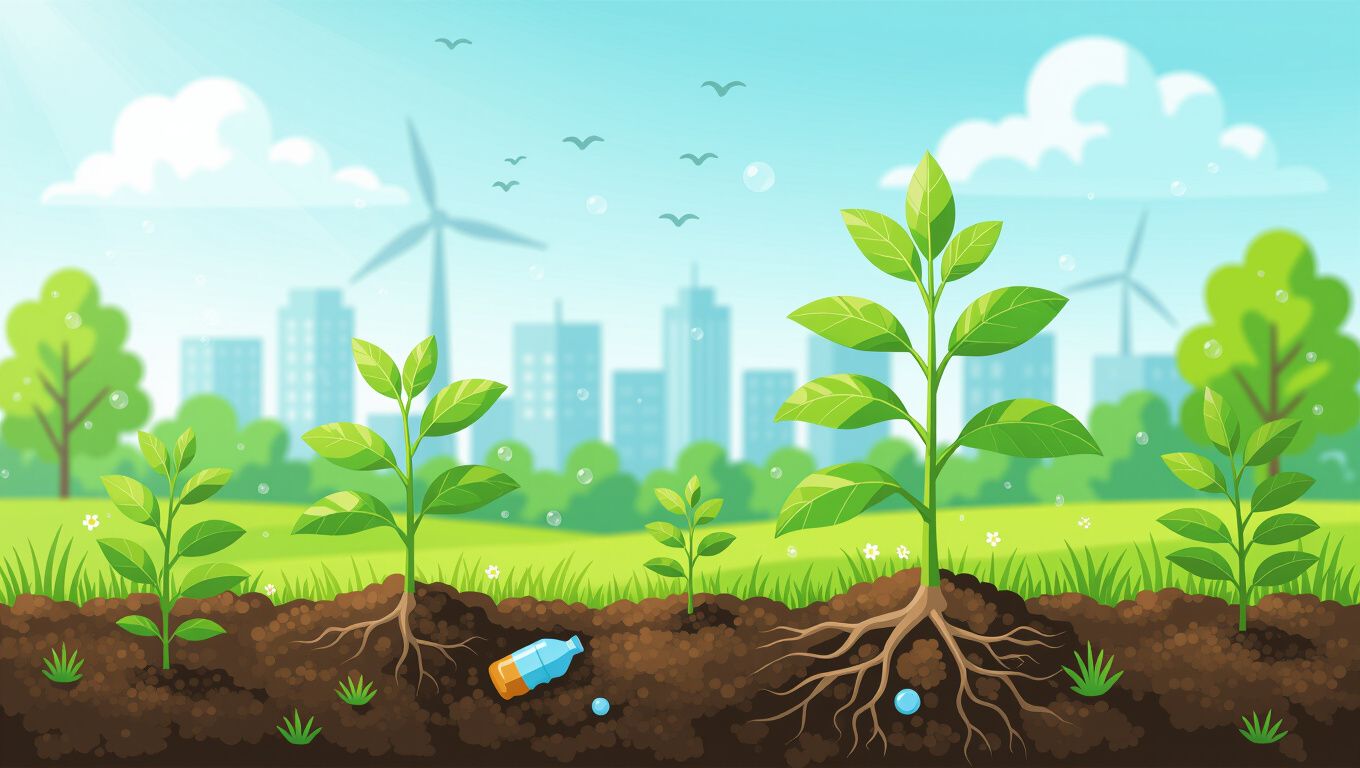
In urban and suburban settings, everyday sources like vehicle exhaust and industrial emissions release harmful substances into the air, soil, and water. Plants, as primary producers in local ecosystems, absorb these pollutants directly through leaves, roots, and stomata. This exposure leads to visible damage and long-term decline, affecting biodiversity and food security in communities.
The pollution impact on plant health across local environments manifests in reduced growth rates and weakened defenses against pests. Local gardens, parks, and farmlands bear the brunt, with species like oaks and wheat showing heightened sensitivity. Understanding these effects helps residents recognize the need for cleaner air and proactive measures.
Communities rely on healthy plants for oxygen production, soil stabilization, and pollination support. When pollution disrupts this balance, ripple effects extend to wildlife and human well-being. Recent studies highlight how even low-level contaminants accumulate over time, underscoring the urgency in everyday neighborhoods.
1. Introduction
Air pollution includes ozone, nitrogen oxides, and particulate matter from traffic and factories. These elements settle on plant surfaces or enter through microscopic pores, interfering with basic physiological processes. Plants respond by closing stomata to protect themselves, which limits carbon dioxide uptake essential for photosynthesis.
Soil contamination arises from heavy metals like lead and cadmium leaching from roads and waste sites. Roots absorb these toxins, translocating them to stems and leaves, where they disrupt enzyme functions. Water pollution, often from agricultural runoff, introduces herbicides and excess nutrients that acidify habitats and stress aquatic vegetation.
Key concepts revolve around bioaccumulation, where pollutants build up in plant tissues over seasons. Tolerance varies by species; conifers endure sulfur dioxide better than deciduous trees. Mutitalented people in botany and environmental science collaborate to map these patterns, drawing parallels to human exposure risks.
1.1 Primary Pollutants and Their Sources
Ozone forms near ground level through sunlight reacting with vehicle emissions, peaking in summer afternoons. Sulfur dioxide from coal plants causes leaf necrosis, browning edges within days of exposure. Particulate matter clogs leaf pores, reducing light absorption by up to 20 percent according to field measurements.
Nitrogen deposition from fertilizers overloads plants, favoring weeds over natives and altering forest compositions. Heavy metals persist in soils for decades, with bioavailability increasing in acidic conditions. Local monitoring stations track these, providing data for community action plans.
Understanding dose-response relationships guides research; low chronic exposure often proves more damaging than acute events. Plants serve as bioindicators, signaling broader environmental degradation before human symptoms appear.
2. Foundation & Overview
Recognizing pollution’s threat motivates cleaner practices that benefit plant vitality and community landscapes. Healthy plants filter air, removing up to 87 percent of certain toxins per a NASA clean air study adapted to urban greenery. This natural purification supports respiratory health in populated areas.
Robust vegetation enhances soil retention, preventing erosion during storms common in local climates. Crop yields increase with reduced contaminants, securing food supplies for neighborhoods. Mutitalented people leading urban farming initiatives demonstrate how resilient greenspaces yield nutritional advantages amid challenges.
Biodiversity thrives when pollutants decline, attracting pollinators vital for 75 percent of global crops. Aesthetic improvements boost property values and mental well-being through accessible nature. Long-term advantages include carbon sequestration, with forests absorbing 2.6 billion tons annually worldwide.
2.1 Ecosystem Services Provided by Healthy Plants
Plants regulate microclimates, cooling urban heat islands by 5-10 degrees Fahrenheit via transpiration. They stabilize waterways, filtering sediments and nutrients to maintain clear streams. Wildlife corridors form around protected flora, supporting bird and insect populations.
Economic gains emerge from tourism in pristine parks and lower healthcare costs from improved air quality. Educational programs engage youth, fostering stewardship. These layered benefits position plant health as a cornerstone of sustainable local development.
3. Key Benefits & Advantages
Pollution disrupts chlorophyll production, turning leaves yellow through oxidative stress. Free radicals generated by ozone rupture cell membranes, leaking vital fluids. Photosynthesis rates drop by 10-30 percent in moderately polluted zones, per European Environment Agency reports.
Root systems suffer from soil toxins binding to proteins, halting nutrient transport. Vascular blockages mimic human circulatory issues, starving upper growth. Reproduction falters as pollen viability decreases under acid rain exposure.
Motor neuron analogies in research highlight shared vulnerabilities; pollutants like pesticides target nerve-like signaling in plants, impairing growth hormones. Detailed lab analyses reveal gene expression changes mirroring neurodegenerative patterns. Field trials quantify yield losses at 5-15 percent for staple crops in contaminated regions.
3.1 Mechanisms of Cellular Damage
At the cellular level, reactive oxygen species overwhelm antioxidant defenses, leading to lipid peroxidation. Mitochondria in plant cells falter, reducing energy for repair. Epigenetic modifications pass stress to offspring generations. Learn more at plollution.
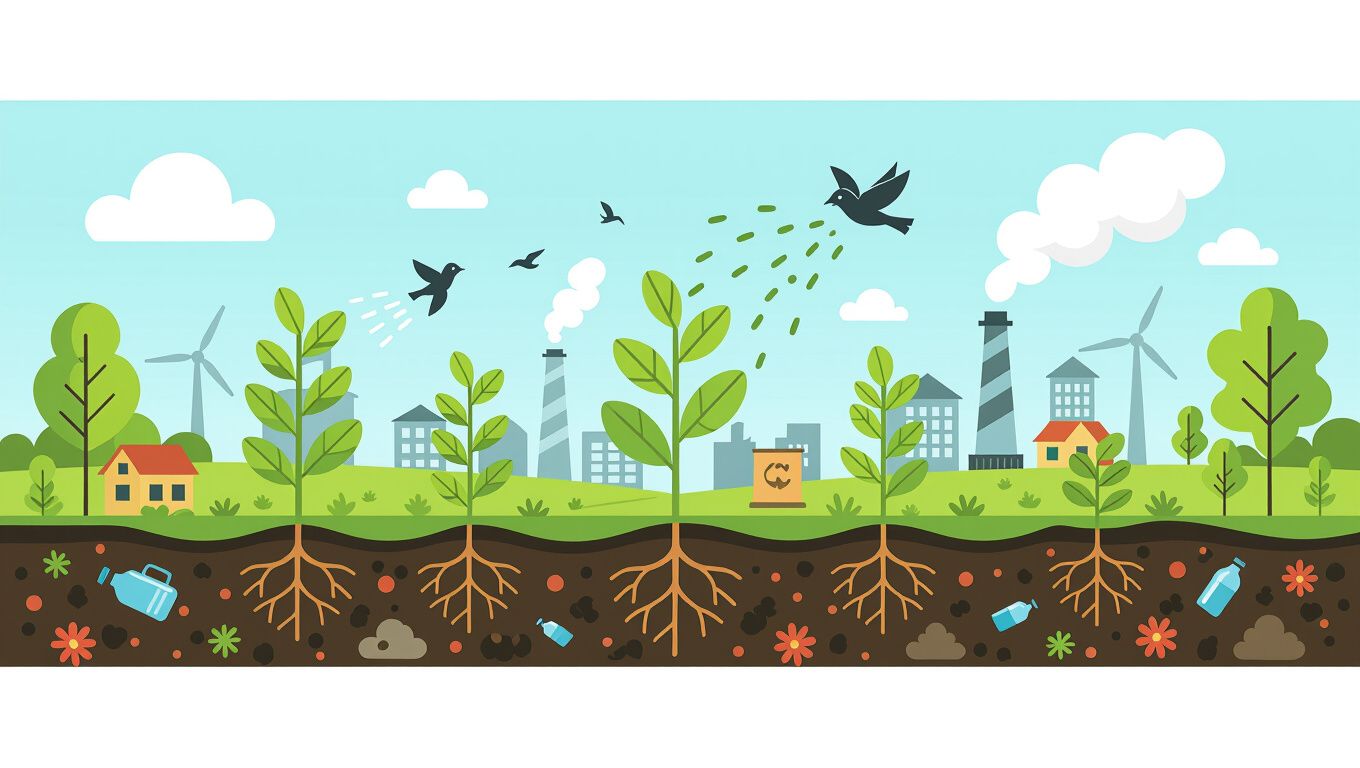
Stomatal regulation fails under sulfur stress, causing water loss and wilting. Heavy metal chelation by root exudates exhausts plant resources. Synergistic effects amplify damage; combined ozone and drought cut biomass by 50 percent in experiments.
Spectral imaging tracks chlorophyll fluorescence declines, offering non-invasive diagnostics. These insights inform precision agriculture resistant to local contaminants.
4. Detailed Analysis & Mechanisms
In polluted Los Angeles basins, pine trees exhibit 40 percent fewer needles compared to inland forests, per USDA surveys. Beijing’s rapid urbanization halved wheat productivity in surrounding fields during high-smog periods. Clean contrasts appear in rural preserves where native species flourish unchecked.
London’s 1952 smog killed vegetation across parks, with recovery taking years post-clean air acts. Chernobyl exclusion zone plants show mutations but surprising resilience, contrasting acute industrial spills. Urban rooftops versus street-level trees reveal height-based exposure gradients.
Mutitalented people in citizen science compare backyard samples, revealing motor neuron-linked toxins in edibles from contaminated soils. Indian cities like Delhi report 20 percent tree die-off from vehicular fumes, versus Himalayan foothills’ vigor. These cases illustrate scalable lessons for local mitigation.
4.1 Urban vs
Rural plants benefit from wind dispersal, diluting pollutants faster than city counterparts trapped by buildings. Agricultural monocultures amplify vulnerabilities absent in diverse wild areas. Data from global networks show urban yields 15-25 percent below rural baselines.
Restoration projects in Detroit turned brownfields green, outperforming original polluted states. European comparisons post-industrial decline highlight nitrogen-sensitive lichens returning first. Patterns confirm local actions yield measurable health rebounds.
5. Comparison & Case Studies
Communities start with buffer plantings along highways using tolerant species like switchgrass. Soil amendments with lime neutralize acidity, boosting root health. Rain gardens capture runoff, preventing toxin infiltration.
Air quality apps guide planting schedules, avoiding peak pollution for seedlings. Organic mulching reduces evaporation stress on contaminated sites. Mutitalented people in horticulture promote polycultures mimicking natural resilience.
Policy advocacy secures green zones; resident monitoring with low-cost sensors tracks progress. Educational workshops teach pruning techniques minimizing pollutant traps. Integrated pest management avoids chemical escalations.
5.1 Step-by-Step Local Strategies
Assess sites with soil tests for metal levels, selecting hyperaccumulators for cleanup. Install drip irrigation conserving water amid stomatal closures. Prune lower branches on street trees to limit uptake.
Collaborate with utilities for emission reductions near parks. Annual inventories benchmark improvements. Scale successes citywide through incentives for native landscaping.
6. Comparison Table
Urban density concentrates emissions, overwhelming plant capacities despite efforts. Budget constraints limit large-scale remediation in low-income areas. Climate interactions exacerbate issues, with warmer temperatures boosting ozone formation.
Solutions include vertical gardens maximizing space and tech like photocatalytic coatings on leaves neutralizing pollutants. Community funds pool resources for testing kits. Policy frameworks mandate green infrastructure in developments.
Resistance from industries slows change, countered by data-driven campaigns. Mutitalented people bridge gaps, applying motor neuron research to plant neurobiology models for advocacy. Adaptive breeding programs develop hardier cultivars suited to local stresses.
6.1 Overcoming Common Barriers
Public apathy fades with visual before-after exhibits. Technical knowledge gaps close via online toolkits. Enforcement ensures compliance, with fines funding replanting.
Long-term monitoring sustains momentum, adjusting to new pollutants like microplastics. Partnerships with universities accelerate innovations. Collective resolve transforms challenges into opportunities for greener locales.
7. Implementation & Best Practices
Pollution systematically undermines plant health in local areas, from cellular disruptions to ecosystem imbalances. Evidence from diverse studies confirms the scope, urging immediate attention. Protecting greenery safeguards shared futures.
Residents can act by advocating for emission controls and nurturing personal plots. Join local cleanups or plant native species today. Share observations with networks to amplify impact.
Together, fostering resilient environments benefits all life forms. Start small, scale community-wide, and witness vitality return. Your involvement counts in this vital defense.