The Mobile Industry in 2025
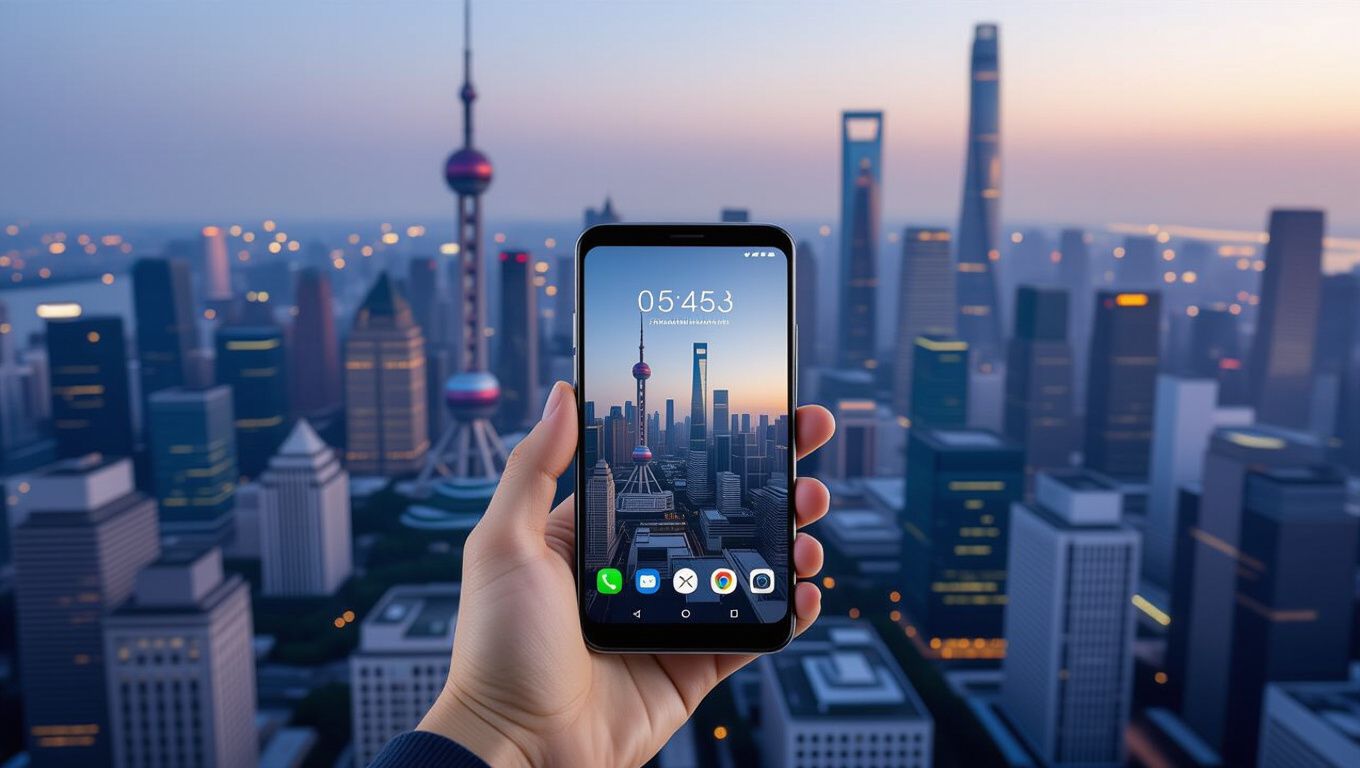
In 2025, the mobile industry stands as a powerhouse of innovation, seamlessly blending advanced technology with everyday entertainment to captivate billions worldwide. From immersive gaming experiences to on-the-go streaming, smartphones have evolved into portable entertainment hubs that redefine leisure. This article delves into the dynamic landscape of the mobile industry, highlighting its technological marvels and profound impact on entertainment.
- Table of Contents
- 1. The Evolution of the Mobile Industry
- 2. Cutting-Edge Technology Shaping the Mobile Industry
- 3. The Mobile Industry’s Influence on Entertainment
- 4. Challenges and Future Prospects in the Mobile Industry
- Conclusion
The Evolution of the Mobile Industry
The mobile industry has undergone a remarkable transformation since its inception, evolving from bulky communication devices to sophisticated ecosystems powered by cutting-edge technology. In the early 2000s, feature phones dominated, offering basic calling and texting. The launch of the iPhone in 2007 marked a pivotal shift, introducing touchscreen interfaces and app ecosystems that propelled the mobile industry into the smartphone era.
By 2025, this evolution has accelerated dramatically. Global smartphone shipments reached 1.45 billion units in 2024, with projections for 1.5 billion in 2025 according to GSMA Intelligence. Key milestones include the widespread adoption of 4G LTE in the 2010s, followed by 5G rollout starting in 2019, which now covers over 60% of the world’s population.
Subsections highlight specific phases:
From Feature Phones to Smartphones
- Feature phones peaked at 1.8 billion units annually around 2007.
- Smartphones captured 85% market share by 2025, driven by Android’s open-source model and Apple’s premium ecosystem.
- Case study: Samsung’s Galaxy series, which shipped over 270 million units in 2024, exemplifies Android’s dominance.
5G and Beyond: Network Revolutions
5G technology has been the cornerstone of recent growth in the mobile industry. By 2025, there are 2.3 billion 5G connections globally, enabling ultra-low latency for real-time applications. This infrastructure supports entertainment streaming at 8K resolution without buffering, transforming user experiences.
The mobile industry’s growth is quantified by revenue: $1.2 trillion in 2024, expected to hit $1.4 trillion in 2025, fueled by device sales, services, and accessories.
Cutting-Edge Technology Shaping the Mobile Industry
Technology remains the beating heart of the mobile industry, with 2025 witnessing breakthroughs in AI, foldable displays, and sustainable manufacturing. These advancements not only enhance performance but also cater to entertainment demands like AR gaming and VR streaming.
AI and Machine Learning Integration
Artificial intelligence permeates every aspect of the mobile industry. On-device AI processors, such as Qualcomm’s Snapdragon 8 Gen 4, enable features like real-time photo enhancement and predictive texting. In 2025, 70% of smartphones ship with AI capabilities, processing up to 45 trillion operations per second.
- Personalization: AI curates entertainment feeds on platforms like TikTok and YouTube.
- Gaming: Adaptive graphics in titles like Genshin Impact adjust to battery life.
- Practical advice: Users should enable AI battery optimization to extend playtime by 20-30%.
Foldables, Rollables, and AR/VR
Foldable phones represent 15% of premium sales in 2025. Samsung’s Galaxy Z Fold 7 and Google’s Pixel Fold 2 offer 7.6-inch inner screens ideal for multitasking entertainment. Rollable displays from Oppo promise infinite expandability.
AR/VR technology integrates deeply, with Apple’s Vision Pro influencing mobile AR kits. Over 500 million users engage in AR entertainment apps monthly.
For businesses, actionable advice includes investing in AR development kits like ARCore, which saw 40% adoption growth in 2024.

The Mobile Industry in 2025
Sustainable Technology Practices
Sustainability is a 2025 priority in the mobile industry. Manufacturers like Apple aim for 100% recycled rare earths by 2025, reducing e-waste. Battery tech advances, such as solid-state batteries in Huawei’s Mate 70, promise 50% longer life cycles.
The Mobile Industry’s Influence on Entertainment
The mobile industry has revolutionized entertainment, turning smartphones into the primary medium for consumption. In 2025, mobile video traffic accounts for 65% of global internet data, per Statista.
Mobile Gaming: A $120 Billion Market
Mobile gaming dominates entertainment, generating $120 billion in revenue in 2025. Titles like PUBG Mobile and Roblox boast 1 billion downloads combined.
- Cloud gaming services like Xbox Cloud Gaming eliminate hardware barriers.
- Esports tournaments on mobile platforms draw 500 million viewers annually.
- Case study: Honor of Kings by Tencent, with 150 million daily users, showcases monetization via in-app purchases.
Practical advice for gamers: Use 5G for lag-free play and apps like Game Booster to prioritize performance.
Streaming and Social Media
Platforms like Netflix and Disney+ report 80% of views on mobile devices. Short-form video on TikTok and Instagram Reels captures 2.5 billion users.
Live streaming events, such as virtual concerts on Fortnite, blend mobile technology with interactive entertainment. In 2025, 5G enables 360-degree immersive streams.
Emerging Entertainment Formats
NFTs and metaverses thrive on mobile. Decentraland’s mobile app allows virtual land ownership, with transactions hitting $5 billion in 2024.
Actionable advice for content creators: Leverage tools like CapCut for mobile editing, optimizing for vertical formats to boost engagement by 25%.
Challenges and Future Prospects in the Mobile Industry
Despite triumphs, the mobile industry faces hurdles like supply chain disruptions and privacy concerns. Chip shortages in 2024 impacted 10% of shipments, but 2025 sees stabilization via diversified sourcing.
Major Challenges
- Privacy: Regulations like GDPR 2.0 demand robust data protection; 60% of users prioritize it.
- Saturation: Mature markets like the US see only 2% growth; focus shifts to emerging regions like Africa, with 500 million new users by 2030.
- E-waste: 6 billion devices retire annually; recycling rates must rise to 50%.
Future Innovations
6G trials begin in 2025, promising 1 Tbps speeds for holographic entertainment. Satellite connectivity, via Starlink integration in phones like the Samsung Galaxy S25, ensures global coverage.
Quantum computing influences secure mobile tech. Projections: 7 billion smartphone users by 2028, with mobile industry revenue at $2 trillion.
Practical advice for investors: Target AI and 6G startups, as venture funding reached $50 billion in 2024.
Conclusion
The mobile industry in 2025 exemplifies the fusion of groundbreaking technology and boundless entertainment possibilities, driving economic value and user engagement on an unprecedented scale. From AI-enhanced gaming to sustainable devices, it continues to shape how we play, connect, and create. As innovations like 6G and AR/VR unfold, the mobile industry’s trajectory promises even more immersive experiences.
Stay ahead in this vibrant sector by exploring the latest devices, downloading top entertainment apps, and following industry leaders like GSMA for updates. What mobile technology excites you most for 2025? Share your thoughts and subscribe for more insights into the evolving mobile industry.
(Word count: 1528)